Luxury Group Tours USA: The Definitive Planning Guide
The architecture of high-end collective travel across the North American continent has undergone a fundamental transformation over the past decade. Historically, premium group excursions within domestic borders were characterized by rigid motorcoach itineraries, standardized hotel blocks, and predictable mass-market sightseeing schedules that prioritized volume over personal agency. Contemporary affluent travelers reject these homogenized formats. Coordinating multi-household expeditions, private corporate retreats, or extended family milestones now requires an intricate orchestration of spatial privacy, hyper-customized programming, and frictionless operational logistics spanning diverse regional topographies.
When discerning travelers pool their resources to navigate domestic destinations, the endeavor transcends conventional vacation planning. It functions as a sophisticated multi-party asset management task. Traditional tourism marketing evaluates group itineraries through superficial metrics such as headcounts, brand name recognition, or promotional amenity lists. These metrics fail to capture the physiological, spatial, and psychological demands of moving a high-net-worth cohort through complex environments. A truly successful collective expedition demands structural alignment between physical architecture, regional climate profiles, and the varied daily rhythms of participants.
Achieving operational excellence in this specialized tier requires systemic geographic filtering, structural foresight, and an uncompromising rejection of generalized hospitality marketing. When organizers rely on promotional brochures or assume that a premium price tag guarantees universal satisfaction, secondary friction points emerge rapidly. Pacing mismatches, incompatible physical layouts, sensory overloads, and logistical bottlenecks can erode the restorative purpose of an elite journey. This analysis establishes a rigorous structural reference for navigating the architectural, geographic, and operational realities of luxury group tours USA across the United States.
Understanding “luxury group tours USA.”

The inquiry into luxury group tours USA is frequently misconstrued as a search for opulent motorcoaches or celebrity-endorsed group cruises operating on American soil. This represents a fundamental categorization error. True utility in this sector is defined by the convergence of bespoke logistical fluidity, demographic adaptability, and the curation of private spatial environments that allow concurrent, diverse engagement for all participants without forcing artificial compromises.
When experienced travel architects and private office coordinators evaluate elite domestic group programs, they focus on mitigating “infrastructural friction,” the subtle mismatch between a destination’s physical layout and the diverse mobility or pacing levels of a cohesive cohort. For example, booking a historic coastal compound featuring unpaved shell pathways, multi-story historic townhomes lacking private elevators, and restricted private vehicle access guarantees physical exhaustion and social isolation for participants. Misunderstandings proliferate when planners conflate superficial markers of luxury such as marble-clad lobbies or crowded resort properties—with genuine operational capacity for private groups.
The danger of unmitigated oversight in this domain lies in assuming that any high-end hotel property can organically satisfy the conflicting desires of individuals within a private collective. By moving past promotional travel collateral, organizers can utilize a systematic approach to identify true structural capacity. This ensures that large-scale domestic journeys solve real-world logistical challenges while maintaining an atmosphere of effortless harmony and deep personal restoration.
Furthermore, evaluating options within this asset class requires distinguishing between primary structural requirements—such as private aviation routing, step-free ground-floor bedroom accessibility, and dedicated security coordination—and secondary preferences, such as bespoke interior decor or specialized recreational gear. When these distinct tiers are treated uniformly, the physical well-being and privacy of participants are compromised. True operational resilience involves mapping individual participant profiles against regional topographical and medical realities long before departure.
Deep Contextual Background: The Evolution of Premium Collective Travel
The systemic evolution of high-end collective travel has shifted from rigid, pre-packaged motorcoach tours and formal resort seasons to contemporary decentralized, multi-family compounds, private aviation networks, and ultra-exclusive resort enclaves. Historically, luxury group travel was restricted by transportation bottlenecks and a lack of flexible lodging inventory, concentrating groups in standardized grand hotels that offered little spatial privacy or custom programming. Today, the rise of branded private residences, expansive mountain and coastal estates, and dedicated travel buyouts has transformed how private networks aggregate across American geography.
This shift was driven by demographic longevity, the geographic dispersion of modern social and professional circles, and a cultural desire to consolidate limited time into meaningful, shared domestic expeditions. Modern organizers understand that the scarcity of unified spatial planning is the true constraint, not raw financial capital or travel availability. Consequently, the high-end domestic group market has bifurcated. Traditional grand hotels offering structured programming are supplemented by sprawling multi-bedroom ranch compounds, private coastal enclaves, and historic mountain lodges optimized for private exploration. In these environments, organizers navigate complex physical logistics while retaining responsibility for group harmony.
This structural evolution means that assessing top-tier domestic properties is increasingly defined by mastering “infrastructural versatility.” The modern expectation is not merely finding a destination with a single exclusive attraction, but selecting itineraries that provide simultaneous, low-friction access to high-energy wilderness activities for active members, cultural pacing for others, and safe, accessible environments for seniors. Historical models demanded conformity to rigid group itineraries; contemporary frameworks depend on spatial autonomy and multi-tiered regional design.
Conceptual Frameworks and Mental Models
To evaluate domestic group itineraries and manage complex cohorts effectively, organizers must adopt specific mental models that prioritize systemic accessibility over optimistic assumptions about physical endurance:
-
The Topographical Accessibility Index: Recognize that elevation changes, unpaved walking surfaces, and architectural stairs dictate group participation far more than nominal distance. A flat coastal enclave enables universal participation, whereas a rugged mountain trail fractures the group.
-
The Spatial Proximity Buffer: Multi-participant harmony requires a delicate balance between shared common areas for collective dining and private acoustic zones where individuals can escape sensory overload and resting needs.
-
The Medical Proximity Ratio: This is the calibrated measure of transit time between the primary lodging site and a fully equipped emergency medical facility, which is non-negotiable for groups including elderly members or infants.
-
The Asynchronous Activity Radius: To prevent stagnation or forced participation, the chosen destination must offer independent, high-interest activities within a short geographic radius for varying age brackets or interest levels.
Each of these models establishes a boundary condition. Operating outside these boundaries increases exposure to physical exhaustion and social friction, demonstrating why theoretical grounding is essential when determining the ideal parameters for collective domestic travel.
Key Categories or Variations and Strategic Trade-offs
| Category | Primary Focus | Trade-off |
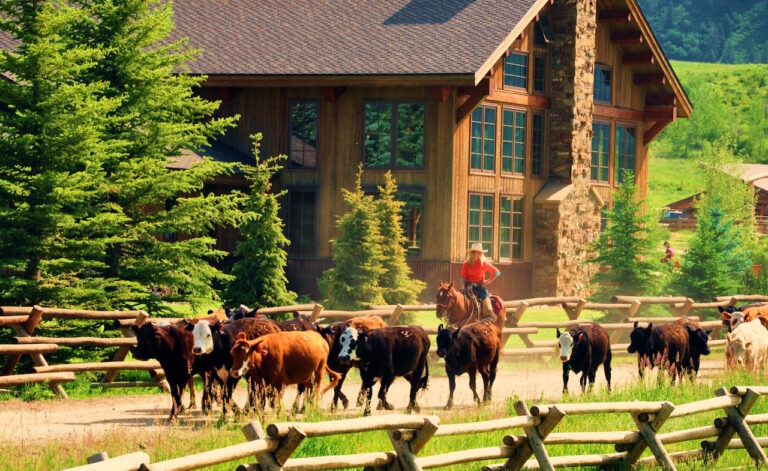
| Private Mountain Ranch Buyouts | Exclusive wilderness immersion, custom equestrian and adventure programming, complete privacy | Variable high-altitude adaptation friction, limited immediate access to metropolitan medical centers |
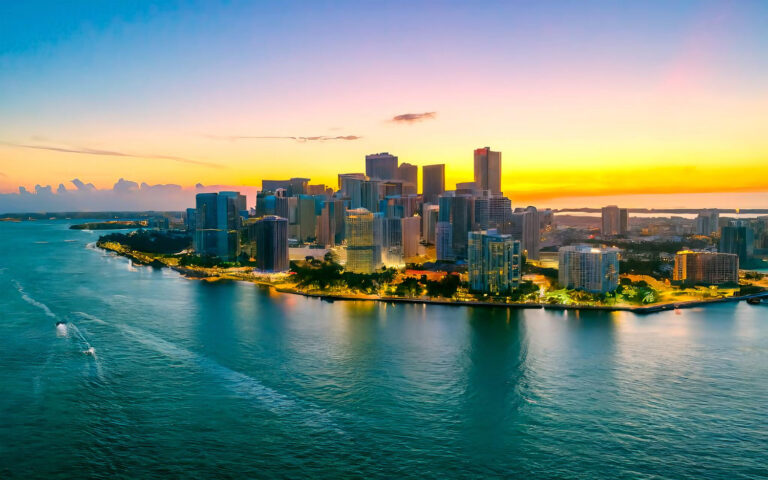
| Master-Planned Coastal Enclaves | Horizontal layouts, direct beach access, integrated kids’ clubs, predictable service. | Commercial saturation during peak windows, standardized resort atmosphere |
| Historic Grand Mountain Lodges | Cultural depth, legacy traditions, architectural distinction, all-inclusive programming | Historical structural limitations (stairs, narrow entryways), variable guest room layouts |
| Island Resort Reserves | Ultimate seclusion, private plunge pools, dedicated butler service, controlled micro-climate | High weather vulnerability, complex logistics for air and water transfers |
| Lakefront Wilderness Retreats | Cohesive communal lodges, year-round water recreation, scenic mountain backdrops | Rapidly fluctuating micro-weather patterns, winding access infrastructure |
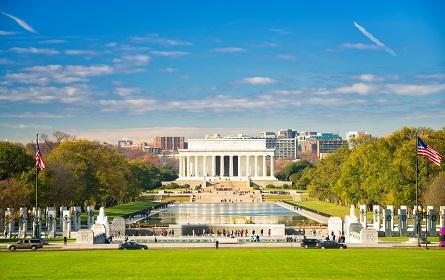
| Metropolitan Cultural Buyouts | Private museum access, elite culinary curation, immediate urban transit options | High ambient noise, urban traffic congestion, lack of open wilderness space |
Realistic decision logic dictates that when evaluating top-tier domestic itineraries, planners must weigh regional infrastructure against the collective vulnerability index of the group. If the itinerary includes individuals with severe mobility constraints or chronic cardiovascular conditions, steep mountain gateway properties should be avoided in favor of flat coastal enclaves or master-planned resorts featuring elevators, ramps, and paved pathways. Conversely, if the group is physically robust and seeks shared outdoor immersion, lakefront mountain lodges offer an optimal structural balance, provided interior layouts feature ground-floor bedrooms.
Detailed Real-World Scenarios
Scenario One: The Multi-Story Mountain Chalet Mobility Failure
An extended family or corporate executive team rents a multi-million-dollar timber chalet at a premier mountain resort, failing to verify that the primary kitchen, living spaces, and master suites require navigating multiple uncarpeted flights of stairs.
-
Constraints: Steep architectural staircases; absence of ground-floor bedroom options; an elderly participant with advanced knee osteoarthritis.
-
Decision Points: Selecting a visually striking multi-story chalet versus securing a single-level ranch-style property or resort suite with universal accessibility features.
-
Failure Modes: The elderly participant is restricted entirely to a basement guest room, isolating them from central group gatherings, and subsequently suffers a fall on the timber stairs.
-
Second-Order Effects: Acute distress, immediate modification of the travel schedule, and physical injury that compromises the security of the entire journey.
Scenario Two: The High-Density Theme Park Private Tour Breakdown
A private corporate cohort travels to a prominent integrated luxury resort adjacent to a major national entertainment park, forcing participants through a high-intensity, dawn-to-dusk park schedule despite massive crowds.
-
Constraints: Extreme crowd bottlenecks; miles of continuous walking in high humidity; sensory overload; joint fatigue.
-
Decision Points: Maintaining a relentless park-to-park pace versus embedding mandatory midday rest blocks at the resort pool and scheduled non-park days.
-
Failure Modes: Complete physical exhaustion across all demographics, resulting in chronic fatigue, missed dining reservations, and widespread illness.
-
Second-Order Effects: Diminished enjoyment of expensive park tickets, interpersonal friction, and collective burnout rather than psychological restoration.
Scenario Three: The Coastal Barrier Island Weather Isolation Hazard
A private group books an isolated beachfront resort on a coastal barrier island during peak storm season, with zero contingency planning for extended rainy periods or single-lane bridge washouts.
-
Constraints: Vulnerable access routes; lack of expansive indoor recreational square footage; total dependence on outdoor beach weather.
-
Decision Points: Relying solely on open-air beach activities versus selecting a property featuring large indoor game rooms, theater spaces, and distinct communal zones.
-
Failure Modes: A multi-day coastal gale traps the group indoors, where cramped quarters, lack of alternative entertainment, and conflicting preferences generate intense cabin fever.
-
Second-Order Effects: Psychological strain, frayed tempers, and a severely compromised travel experience despite a premium coastal location.
Scenario Four: The Historic Urban Private Transit Gridlock
A large corporate or family unit visits a historic northeastern coastal city, attempting to navigate cobblestone pedestrian zones and 19th-century cultural venues lacking modern elevators or entry ramps.
-
Constraints: Historic preservation laws restricting structural modifications; uneven paving stones; lack of immediate parking near historical sites.
-
Decision Points: Walking through historic districts without pre-vetted logistical mapping versus utilizing accessible private shuttle services and confirmed venue layouts.
-
Failure Modes: Participants cannot maintain the walking pace, and luggage or equipment must be carried up steep historic staircases repeatedly.
-
Second-Order Effects: Frustration, physical separation of the group, and missed cultural milestones due to inaccessible infrastructure.
Planning, Cost, and Resource Dynamics
| Factor | Low-Complexity (Regional Driving Group Escape) | High-Complexity (Remote Destination Compound Buyout) |
| Financial Exposure | Moderate ($\$1,500 – \$3,500$ per day total) | Severe ($\$10,000 – \$30,000+$ per day total) |
| Planning Lead Time | 3–6 Months | 9–14 Months |
| Opportunity Cost | Minor Local Activity Compromise | Major Lodging Default and Sunk Capital Loss |
Direct costs, such as multi-room resort buyouts, dedicated private aviation charters, and exclusive private tour guide fees, must be treated as foundational budget items. When analyzing financial strategies for collective travel, experts note that indirect costs—such as private dining allocations, custom ground transportation logistics, and medical contingency retainers—frequently expand total expenditure beyond initial projections. Resource allocation must include a dedicated contingency fund to absorb regional price variances and logistical surprises.
Tools, Strategies, and Support Systems
-
Filter-Specific Private Property Platforms: Utilize advanced property parameters to isolate single-level estates, ground-floor master options, step-free showers, and private elevators before reviewing aesthetic appeal.
-
Geographic Medical Facility Mapping: Cross-reference destination street addresses with local urgent care clinics, regional trauma hospitals, and emergency medical services before finalizing bookings.
-
Collaborative Group Itinerary Boards: Deploy shared digital planning spaces where different cohort members can vote on activities, schedule rest windows, and track dietary needs.
-
Private Aviation and Ground Coordination: Secure full-size passenger vans, private jet charters, or multi-vehicle luxury SUV configurations that accommodate luggage and security details simultaneously.
-
Certified Concierge Partnerships: Engage dedicated property concierges who understand private pacing adjustments for mixed cohorts in complex terrain.
-
Digital Shared Expense Ledgers: Implement transparent financial applications to split lodging, dining, and private staffing costs equitably without administrative friction.
Risk Landscape and Failure Modes
The primary risk associated with selecting poor properties or inadequate environments is the “Infrastructural Dislocation Cascade,” where a physical mismatch between lodging layout and participant mobility immobilizes vulnerable members and fractures group unity. A secondary risk is “Pacing Implosion,” where a lack of environmental buffer zones and rest spaces leads to cumulative physiological exhaustion.
Compounding risks occur when unaddressed environmental hazards—such as unsecured pool decks or unpaved, slick walking paths—result in preventable physical injuries. Furthermore, when traveling in remote domestic wilderness zones without reliable cellular coverage, minor medical incidents can escalate into severe crises. When these risks converge unchecked, a curated journey becomes a liability event.
Governance, Maintenance, and Long-Term Adaptation
Maintain a structured review cadence for all spatial, medical, and logistical assets throughout the travel lifecycle:
-
Pre-Booking Architectural Audit: Require photographic or video verification of room layouts, bathroom accessibility features, and stair configurations before signing binding agreements.
-
Mid-Trip Pacing Assessment: Evaluate physical fatigue levels, sleep quality, and activity enjoyment among participants every forty-eight hours to catch burnout early.
-
Triggered Weather and Itinerary Pivot: If regional weather anomalies or unexpected physical fatigue threaten the day’s plans, immediately deploy pre-planned indoor or low-impact alternatives.
-
Post-Trip Destination Retrospective: Document property suitability, geographic accessibility challenges, and cost-splitting efficiencies immediately upon return to inform future domestic choices.
Measurement, Tracking, and Evaluation
Evaluation should rely on both qualitative signals and leading indicators. A leading indicator of travel strain is an increase in schedule friction, missed departures, or noticeable physical fatigue among participants. Qualitative signals include high punctuality, balanced energy levels, seamless navigation of spaces, transparent cost-sharing, and shared enthusiasm across the cohort.
Documentation examples include:
-
Infrastructure and Accessibility Matrix: A detailed evaluation register logging hospital proximities, terrain steepness, and lodging mobility features.
-
Shared Multi-Party Expense Log: An audit trail tracking lodging deposits, private dining allocations, and activity ticket reimbursements.
-
Daily Cohort Itinerary Sheet: A master schedule accounting for staggered morning departures, mandatory rest windows, and evening gathering milestones.
Common Misconceptions and Oversimplifications
-
Myth: “Any large resort or hotel advertised as luxury is inherently suitable for private group buyouts.”
Correction: Most commercial properties prioritize transient romance or standard hospitality over private group cohesion, frequently featuring hazardous staircases, restricted common dining spaces, and zero ground-floor bedrooms. -
Myth: “Domestic group travel requires zero advance medical research because American healthcare is universally accessible everywhere.”
Correction: Rural wilderness resorts and remote mountain enclaves often feature distant medical facilities with limited emergency services, creating severe risks. -
Myth: “Sticking a large group into a collection of adjacent standard hotel rooms guarantees seamless coordination.”
Correction: Dispersed rooms scatter participants across isolated footprints, destroying the intimate communal dynamics that define successful private group journeys. -
Myth: “All participants share the same physical stamina baseline if motivated by a compelling itinerary.”
Correction: Biological and age differences demand strict pacing boundaries; ignoring physiological limits leads to rapid exhaustion and illness. -
Myth: “Renting multiple independent private vehicles is always more expensive and chaotic than relying on group buses.”
Correction: Multi-vehicle setups provide essential schedule flexibility, allowing different cohorts to return to lodging early without trapping the entire group. -
Myth: “Planning a domestic group trip requires significantly less preparation than an international expedition.”
Correction: Managing the disparate expectations, physical constraints, and financial inputs of a large domestic group requires just as much structural architectural oversight.
Ethical, Practical, and Contextual Considerations
When orchestrating group travel across diverse American regions, organizers must navigate the ethical responsibilities of inclusive hospitality, accessibility compliance, and financial fairness. Large groups exert a heavy logistical footprint on shared resort properties and public facilities; responsible organizers must instill a culture of property respect and environmental mindfulness. Practical considerations demand that itineraries respect the dignity, privacy needs, and physical autonomy of every participant.
Furthermore, economic disparities across different households or entities within the group must be managed with absolute transparency and empathy. Planners must ensure that selecting a property or experience does not create financial strain or exclude participants. Establishing equitable cost-sharing structures preserves harmony and guarantees that every participant experiences a secure, restorative journey.
Conclusion
The orchestration of high-end group travel across domestic landscapes is an exercise in meticulous geographic filtering, infrastructural foresight, and compassionate leadership. By utilizing a rigorous framework to identify optimal regional environments, organizers can build itineraries that account for topographical accessibility, spatial proximity, and medical safety redundancies, protecting the well-being of every participant. Mastery in this discipline requires constant vigilance, intellectual rigor, and an uncompromising commitment to structural preparedness.