
Top Heritage Tours in America: The Definitive Cultural Guide
The cultural topography of the United States presents a deeply layered archive of migration, industrial transformation, Indigenous continuity, and socio-political struggle. Traversing this vast geographic canvas requires more than superficial sightseeing; it demands an analytical framework capable of connecting physical structures, conserved battlefields, industrial ruins, and preserved neighborhoods to the broader currents of American history. As cultural travel evolves from passive observation to rigorous intellectual and experiential engagement, the mechanisms through which the past is interpreted, maintained, and presented to the public have grown increasingly sophisticated.
Evaluating historical itineraries across the North American continent involves balancing multiple competing imperatives. Destination managers, preservationists, and independent travelers continuously weigh the demands of structural conservation against the economic necessity of public access. Furthermore, contemporary cultural itineraries must navigate the tension between romanticized regional narratives and rigorous, multi-perspectival historical scholarship. A journey through a preserved nineteenth-century mill town or a reclaimed civil rights district differs fundamentally from visiting a standard recreational resort, demanding careful attention to archival accuracy, community agency, and the material realities of preservation.
This analysis examines the structural dimensions of organizing, evaluating, and participating in historic itineraries across the United States. By moving past promotional summaries, this exploration establishes a comprehensive reference architecture for understanding how material culture, historical narrative, economic sustainability, and institutional governance intersect. The goal is to provide a rigorous baseline for evaluating cultural excursions, anticipating logistical and interpretive friction points, and aligning historical destinations with the long-term educational goals and practical constraints of serious travelers.
Understanding “top heritage tours in America.”
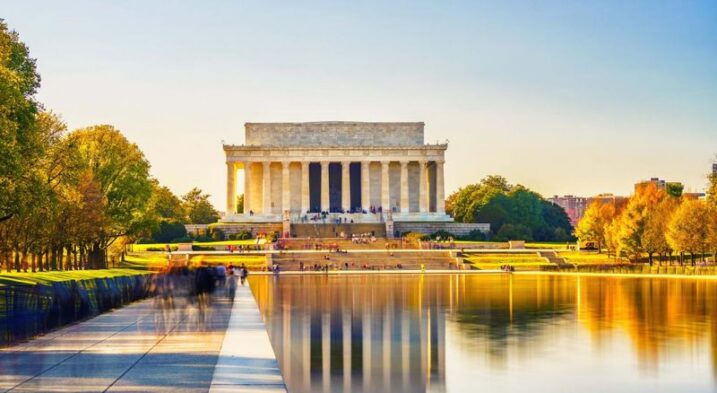
When cultural historians, preservation architects, and experienced travelers analyze top heritage tours in America, they are referencing structured, rigorously interpreted educational itineraries rather than generic vacation packages. The term encompasses curated pathways through preserved historic districts, archaeological landscapes, industrial heritage sites, and institutional archives where visitors interact with the physical artifacts of the past. A frequent error in evaluating these offerings is treating them as static museum exhibits scaled up to geographic proportions, ignoring the dynamic socioeconomic communities in which these historic assets reside.
In practice, the operational integrity of these itineraries varies based on institutional sponsorship and community stewardship. For instance, federally managed routes such as those overseen by the National Park Service’s National Register of Historic Places rely on strict preservation standards, peer-reviewed historical interpretation, and formalized public access protocols. Conversely, privately operated commercial excursions may prioritize narrative dramatic tension, theatrical presentation, or aesthetic charm over archival nuance. Confusing these typologies leads to misaligned expectations, such as expecting academic historiography from a theatrical ghost tour or seeking leisurely entertainment within a deeply solemn civil rights pilgrimage.
Furthermore, oversimplifying the visitor demographic creates significant interpretive vulnerabilities. An itinerary optimized for primary school educational groups characterized by controlled physical environments, simplified narrative arcs, and highly structured scheduling differs completely from a program designed for university-level researchers, architectural historians, or independent cultural travelers, which requires primary source access, extended site study, and multi-perspectival discourse. Understanding the term requires recognizing that successful historic travel depends on matching the structural rigor of a specific itinerary with the intellectual readiness, historical literacy, and logistical expectations of the participant. Within this broader ecosystem, structured initiatives centered on top heritage tours in America must navigate both the economic pressures of modern tourism and the strict ethical demands of historical representation.
Deep Contextual Background: The Evolution of American Cultural Itineraries
The contemporary landscape of historical travel in the United States is the product of a long-term institutional evolution that transitioned from amateur antiquarianism and romanticized local myth-making to professionalized historic preservation and academic public history. During the nineteenth and early twentieth centuries, heritage preservation was largely driven by private patriotic lineage societies and elite philanthropic groups focused on saving individual monuments associated with founding figures, military victories, or early colonial settlement. These early efforts frequently produced singular, hero-centric narratives that marginalized complex social histories, Indigenous perspectives, and the everyday realities of marginalized populations.
The passage of the National Historic Preservation Act of 1966 marked a watershed moment, establishing a systemic, federally coordinated framework for identifying, protecting, and evaluating historic properties across the nation. This legislative milestone shifted the focus from isolated monuments to entire historic districts, vernacular architecture, and industrial landscapes. Concurrently, the rise of the “New Social History” in academic circles during the 1970s and 1980s began to influence public interpretation, prompting heritage sites to expand their scope to include labor history, immigration patterns, African American heritage, women’s history, and regional subcultures.
In recent decades, this evolutionary trajectory has faced new complexities driven by digital archiving, community-led repatriation movements, and a growing public demand for unvarnished historical truth. Modern cultural travelers increasingly reject sanitized presentations in favor of immersive, complex narratives that confront the nation’s historical contradictions. Simultaneously, destination managers must balance this intellectual rigor with the physical pressures of overtourism, climate change threats to coastal and riverine historic sites, and the financial necessity of sustaining aging physical infrastructure without compromising historical integrity.
Conceptual Frameworks and Mental Models for Historical Geography
Navigating the vast array of historical itineraries across the United States requires structured mental models that help organize spatial and temporal data while evaluating interpretive trade-offs. The following frameworks offer analytical lenses for assessing heritage destinations beyond promotional marketing.
The Interpretive Depth vs. Accessibility Matrix
This model plots heritage sites along two axes: interpretive depth (ranging from superficial costumed reenactment to rigorous primary-source archival engagement) and physical/logistical accessibility (ranging from urban sites with universal ADA compliance and daily transit links to remote archaeological ruins or industrial relics requiring strenuous physical effort). Travelers can use this matrix to calibrate their intellectual and physical investment. For instance, casual learners may prefer high accessibility paired with moderate interpretive depth, whereas researchers or dedicated enthusiasts frequently seek high interpretive depth regardless of physical remoteness.
The Materiality-Narrative Balance
Every heritage destination exists on a spectrum between tangible material culture (original structures, intact artifacts, unaltered landscapes) and intangible narrative interpretation (guided storytelling, digital reconstructions, living history programs). This mental model asks observers to evaluate how a site derives its authority. A destination with fragile material culture often restricts physical touch and movement to ensure preservation, shifting the burden entirely to narrative context. Conversely, sites with reconstructed or altered physical fabrics rely heavily on interpretive clarity to maintain historical credibility.
The Civic-Commercial Friction Index
Heritage tourism sites rarely exist in a vacuum; they operate within living municipalities, commercial districts, and contested public spaces. This framework measures the tension between commercial exploitation (souvenir vending, tourist-centric dining, aesthetic sanitization) and civic commemoration (solemn remembrance, community education, rigorous historical inquiry). Destinations with a high friction index require visitors to navigate aggressive commercialization while searching for genuine historical substance.
Typologies and Regional Variations
Historical itineraries across the United States can be categorized into distinct typologies, each carrying inherent methodological approaches, interpretive challenges, and distinct logistical profiles.
-
The Industrial and Technological Heritage Route: Characterized by preserved manufacturing centers, canals, coal mining complexes, and railway corridors illustrating the mechanics of American industrialization. Ideal for understanding labor history and technological evolution. Trade-offs include large spatial footprints, decaying infrastructure hazards, and technical interpretive demands.
-
The Military History and Battlefield Circuit: Comprising fortified positions, campaign trails, and preserved conflict zones managed primarily through federal or state park systems. Ideal for tactical and political history enthusiasts. Trade-offs include solemnity constraints, vast walking requirements, and the risk of glorifying violence over geopolitical context.
-
The Civil Rights and Social Justice Itinerary: Tracing urban and rural landscapes associated with the abolitionist movement, the suffrage struggle, and the twentieth-century Civil Rights Movement. Ideal for engaging with moral philosophy and social change. Trade-offs include emotional intensity, rapidly changing urban surroundings, and sensitive community dynamics.
-
The Indigenous and Pre-Contact Archaeological Route: Focusing on ancient earthworks, pueblo architectures, and ancestral tribal lands managed in partnership with sovereign Native nations. Ideal for deep-time historical perspective. Trade-offs include strict cultural protocols, remote geographic locations, and limited public disclosure to protect sacred sites.
-
The Architectural and Vernacular District: Encompassing preserved colonial, Victorian, or modernist urban neighborhoods showcasing evolving American design, urban planning, and domestic life. Ideal for architectural study. Trade-offs include gentrification masking original socio-economic contexts and high commercial retail intrusion.
-
The Maritime and Frontier Exploration Pathway: Highlighting coastal ports, whaling stations, fur-trading posts, and overland wagon trails that map westward expansion and global trade. Ideal for geography and economic history. Trade-offs include weather vulnerability and dispersed, linear travel requirements.
Regional Typology Comparison Matrix
| Typology | Primary Infrastructure | Dominant Interpretive Focus | Key Operational Challenge | Primary Participant Fit |
| Industrial Route | Mills, canals, rail yards | Labor, technology, economics | Aging infrastructure safety | Technical and economic historians |
| Military Circuit | Earthworks, markers, museums | Tactical strategy, leadership | Vast acreage, solemnity maintenance | Military history enthusiasts |
| Civil Rights Trail | Churches, urban blocks, markers | Social justice, systemic struggle | Emotional weight, urban change | Social science and civic learners |
| Indigenous Routes | Mounds, pueblos, interpretive centers | Deep-time history, tribal sovereignty | Cultural sensitivity, access limits | Cross-cultural researchers |
| Architectural District | Homes, streetscapes, municipal buildings | Design evolution, domestic life | Commercialization, gentrification | Architectural and design students |
| Frontier Pathway | Forts, trails, ports | Expansion, trade, migration | Linear distances, weather exposure | General history researchers |
Detailed Real-World Scenarios
Analyzing hypothetical field scenarios illuminates how abstract destination characteristics translate into ground-level decision-making for cultural travelers exploring the United States.
Scenario 1: The Multi-Site Industrial Heritage Expedition
-
Context: A group of academic researchers and industrial history enthusiasts plans a ten-day expedition across the northeast corridor to study early textile manufacturing and canal systems.
-
Constraints: Sites are geographically fragmented across multiple state jurisdictions; archival libraries have restricted operating hours; physical access requires navigating uneven historic mill floors and steep industrial staircases.
-
Decision Path: The group eschews commercial tour packages, renting a dedicated vehicle and establishing direct contact with site curators and archivists weeks in advance. They schedule visits around archival access windows rather than standard tourist operating hours, ensuring access to primary engineering drawings and ledger books.
-
Failure Mode & Second-Order Effects: An unexpected structural closure at a primary canal museum due to deferred maintenance disrupts the itinerary’s central analytical arc. The failure mode is managed by pre-allocating flexible buffer days within the schedule, allowing the group to pivot to a secondary regional archive. The second-order effect is a heightened appreciation for the financial vulnerabilities facing decentralized, non-profit industrial museums.
Scenario 2: The Complex Civil Rights Journey Through the American South
-
Context: A multi-generational family and educational cohort embarks on a structured itinerary examining key sites of the twentieth-century Civil Rights Movement across Alabama and Georgia.
-
Constraints: High emotional intensity; sensitive local community dynamics; scheduling conflicts between high-demand interpretive centers and spontaneous traveler pacing.
-
Decision Path: The group partners with a specialized educational tour provider that employs local historians and movement veterans as primary guides, ensuring that narrative authority remains grounded in lived experience rather than generalized textbook summaries. They limit daily site visits to prevent cognitive and emotional fatigue.
-
Failure Mode & Second-Order Effects: Over-reliance on a rigid commercial timetable prevents the group from participating in an impromptu community commemorative event at a historic church. The adjustment requires abandoning the afternoon schedule to prioritize authentic community engagement, demonstrating that spontaneous civic interaction often yields superior historical insight than strict itinerary adherence.
Planning, Cost, and Resource Dynamics
Financial and logistical planning for comprehensive heritage travel across the United States requires accounting for variables that differ significantly from conventional leisure or resort budgeting.
Direct and Indirect Cost Components
Direct costs include admission fees to historic sites, specialized guided tour retainers, archival research permissions, and specialized transportation across linear historic corridors. Indirect costs frequently dictate the financial viability of an expedition: professional guide gratuities, specialized conservation-grade accommodation (such as staying in historic inns), acquisition of primary source reading materials, and vehicle wear associated with long-distance rural driving.
Opportunity Cost and Variability
The timing of a heritage expedition introduces significant operational variance. Visiting historic sites during peak summer vacation months offers full staffing, open archival reading rooms, and active living history demonstrations, but exposes travelers to severe crowd congestion and elevated lodging rates. Conversely, traveling during shoulder or off-season periods provides quiet, contemplative access to sites and lower costs, but frequently encounters reduced operating hours, closed auxiliary exhibits, and harsh weather conditions.
Range-Based Cost Dynamics (Per Participant / 7-Day Regional Itinerary)
| Expense Category | Independent / Budget Tier | Standard Educational Tier | Premium / Researcher Tier |
| Lodging | $400 – $700 (Standard motels, basic inns) | $800 – $1,400 (Historic hotels, mid-range chains) | $1,800 – $3,500+ (Curated historic properties, private rentals) |
| Transportation & Fuel | $150 – $300 (Personal vehicle, fuel sharing) | $400 – $900 (Rental car, regional flights) | $1,000 – $2,500+ (Private transport, specialized charters) |
| Site Access & Guides | $50 – $120 (Standard park fees, self-guided tours) | $200 – $500 (Group tours, museum memberships) | $600 – $1,500+ (Private curatorial tours, archive access) |
| Provisions & Study Materials | $150 – $300 (Grocery stops, casual dining) | $400 – $800 (Local dining, published guides) | $900 – $1,800+ (Fine dining, specialized monographs) |
Tools, Strategies, and Support Systems
Executing a seamless, intellectually rigorous heritage expedition requires leveraging specific technical and logistical tools that mitigate informational gaps and archival hurdles.
-
National Register Database and GIS Mapping Tools: Essential digital frameworks provided by the National Park Service to verify official historical designations, precise property boundaries, and architectural documentation.
-
Specialized Archival Reservation Systems: Online portals for booking advance access to university special collections, state historical societies, and restricted manuscript divisions.
-
Oral History Repositories and Digital Audio Guides: Accessing authenticated oral history archives (such as the Library of Congress collections) to supplement physical site visits with first-person testimonies.
-
Scholarly Bibliographic Databases: Utilizing academic search engines and published state historical quarterlies to construct rigorous pre-trip reading lists that contextualize physical sites.
-
Vehicle Telematics and Maintenance Logs: Ensuring transport reliability across long-distance rural itineraries where mechanical support networks may be sparse.
-
Weather and Preservation Monitoring Apps: Tracking localized climate conditions, flood warnings, and extreme weather alerts that frequently threaten vulnerable coastal or riverine historic structures.
Risk Landscape and Failure Modes
Historical and cultural itineraries possess inherent physical, logistical, and interpretive hazards that can compromise the educational and experiential value of a journey if not systematically managed.
Interpretive and Historiographical Risks
The primary intellectual hazard in heritage travel is institutional myth-making—the uncritical repetition of sanitized, romanticized, or politically motivated narratives that obscure the complex, conflict-laden realities of the past. Travelers relying on commercial operators lacking academic oversight risk absorbing historical inaccuracies, regional bias, or deliberate historical omission. Other interpretive risks include presentism (judging past historical actors solely by contemporary moral standards without contextualizing their material constraints) and commodification, where profound human tragedies are trivialized into superficial entertainment.
Infrastructural and Logistical Failure Modes
Beyond historical interpretation, physical and operational systems frequently face friction. Common failures include sudden structural closures of historic buildings due to catastrophic deferred maintenance, unannounced archival closures, restrictive photography bans in sensitive collections, and severe regional under-resourcing of rural historical societies. Travelers who build rigid itineraries without accounting for institutional fragility often experience severe disruptions when key research or touring assets become suddenly unavailable.
Governance, Maintenance, and Long-Term Adaptation
The long-term survival of the historical assets that anchor top heritage tours in America depends entirely on rigorous legal governance, structural maintenance, and proactive adaptation to environmental and economic pressures.
Federal statutes such as the National Historic Preservation Act, state-level preservation offices, and municipal historic district commissions form the regulatory backbone protecting these resources from commercial demolition and inappropriate alteration. Concurrently, non-profit trusts, private endowments, and tribal historic preservation offices (THPOs) manage the day-to-day stewardship of delicate artifacts, archival papers, and fragile structures.
For the cultural traveler, supporting resilient governance involves adhering strictly to site preservation protocols—such as obeying photography restrictions, respecting physical barriers designed to protect delicate fabrics, paying specialized preservation surcharges, and supporting institutions that reinvest revenue directly into structural conservation and honest, multi-perspectival historical scholarship.
Measurement, Tracking, and Evaluation
Assessing the success and intellectual yield of a historical expedition requires examining both leading and lagging indicators of trip quality and educational efficacy.
-
Leading Indicators (Pre-Trip & In-Trip): Evaluating the thoroughness of pre-trip historiographical research, confirming archival permissions in advance, and establishing flexible scheduling buffers to absorb unexpected site closures.
-
Lagging Indicators (Post-Trip Assessment): Assessing whether the itinerary successfully challenged preexisting historical assumptions, whether primary source encounters enriched the traveler’s conceptual understanding, and whether physical logistics operated smoothly.
-
Qualitative vs. Quantitative Signals: Quantitative metrics include tracking archival documents reviewed, sites visited per day, and total transit expenditures. Qualitative signals encompass shifts in historical perspective, the depth of intellectual discourse generated within the traveling cohort, and the perceived authenticity of the interpretive programming encountered.
Common Misconceptions and Oversimplifications
-
Myth: Historic sites present an objective, unchanging version of the past that remains constant over time.
-
Correction: Historical interpretation is an evolving scholarly discipline; exhibits, narratives, and site priorities are continually revised in light of new archival discoveries and changing social contexts.
-
-
Myth: All commercial heritage tours operate under strict academic supervision and peer-reviewed historical standards.
-
Correction: Many commercial operators prioritize entertainment, theatrical presentation, and marketing appeal over rigorous historical accuracy.
-
-
Myth: Historic preservation applies only to pristine colonial homes and monumental government buildings.
-
Correction: Modern preservation encompasses a vast array of vernacular architecture, industrial ruins, working-class neighborhoods, and landscapes of labor and conflict.
-
-
Myth: Visiting a historic site provides the same intellectual depth as engaging with primary archival documents.
-
Correction: Physical site tours offer sensory and spatial context, but deep historical understanding requires complementing site visits with rigorous reading of primary and secondary historical literature.
-
-
Myth: Indigenous history in the United States is adequately represented within standard municipal and state historical frameworks.
-
Correction: Indigenous history has historically been marginalized, requiring travelers to seek out tribal-led museums, sovereign nation cultural centers, and specialized archaeological itineraries.
-
-
Myth: Heritage tourism destinations are economically self-sustaining through ticket sales alone.
-
Correction: Most historic sites rely heavily on government grants, private philanthropy, endowments, and volunteer labor to survive due to the immense costs of structural conservation.
-
Ethical, Practical, and Environmental Considerations
Engaging with the material culture of the past carries a profound ethical responsibility. Historic sites are finite, non-renewable cultural resources. Unchecked mass tourism, structural wear from foot traffic, microclimate alterations inside historic structures, and souvenir collection threaten the very physical fabric that makes these places significant. Furthermore, ethical heritage travel demands respecting the dignity of the human stories commemorated—particularly those involving slavery, displacement, industrial exploitation, and military conflict ensuring that sites of trauma are approached with solemnity, respect, and intellectual seriousness rather than casual curiosity.
Conclusion
Structuring, evaluating, and participating in top heritage tours in America requires moving far beyond surface-level leisure travel to engage with the complex mechanics of historical preservation, archival research, and multi-perspectival storytelling. By applying rigorous mental models such as the Interpretive Depth vs. Accessibility Matrix and the Materiality-Narrative Balance, travelers can align their intellectual curiosities, resource constraints, and ethical responsibilities with appropriate historical itineraries. Whether exploring industrial ruins, civil rights landmarks, or ancient archaeological landscapes, meaningful cultural travel is ultimately defined by patience, archival rigor, and a profound respect for the complex, contested history written across the American landscape.