
The Definitive Guide to Best Historical Travel in the US: Expert Heritage Analysis
The material culture and built environment of the United States reflect a complex sedimentation of indigenous settlement, colonial extraction, industrial acceleration, and ideological conflict. Engaging with this landscape through purposeful movement requires moving beyond passive sightseeing or the consumption of sanitized national mythologies. Traveling through historical geographies entails an encounter with physical archives ranging from earthen mounds and fortified presidios to abandoned mill towns and constitutional assembly rooms that demand careful interpretation and critical contextualization.
A serious examination of historical geography reveals that the past is rarely presented in a pristine, unmediated state. Preservation is an active, selective process shaped by political priorities, economic resources, and shifting cultural narratives. Sites designated for heritage tourism often embody deliberate choices about which stories are amplified and which are obscured. Consequently, navigating these spaces requires an analytical disposition capable of questioning institutional framing while appreciating the material authenticity of surviving structures, documents, and artifacts.
This analysis establishes an exhaustive framework for evaluating and experiencing heritage landscapes across the North American continent. By mapping structural typologies, examining economic and administrative mechanics, and addressing systemic failure modes, this inquiry offers an editorial reference for scholars, serious travelers, and cultural researchers seeking deep engagement with the physical remnants of the past.
Understanding “best historical travel in the US.”
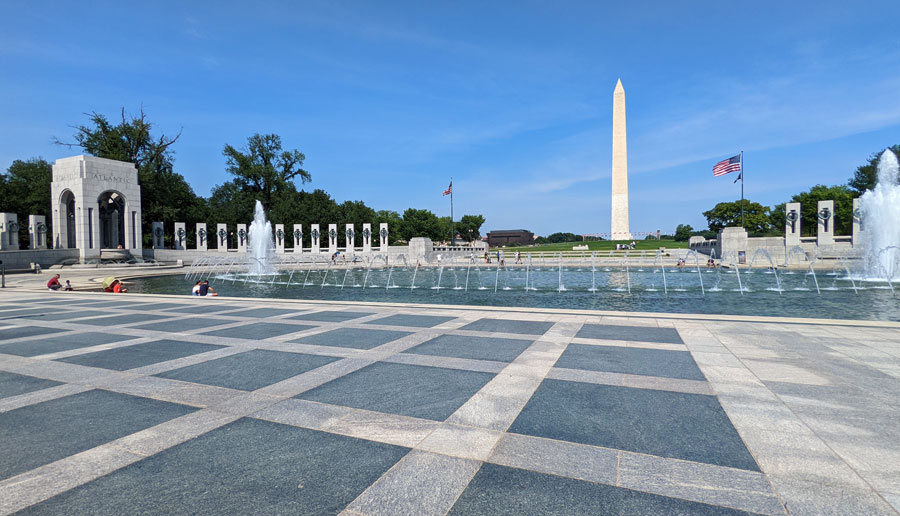
When commentators, curators, and independent analysts evaluate the best historical travel in the US, they confront a fragmented taxonomy that defies simple categorization. The phrase is frequently oversimplified in commercial media as a curated list of picturesque colonial villages, battlefields with high visitor center density, or presidential birthplaces packaged for family holiday itineraries. This reductive framing obscures the vast chronological depth and ideological friction inherent in the nation’s historical geography.
The primary risk of oversimplification lies in the homogenisation of distinct historical epochs. A journey tracing pre-contact Mississippian mound complexes shares almost no operational, methodological, or interpretive overlap with an exploration of mid-century industrial modernity in the Rust Belt or the complex architectural stratification of a southern port city. Treating these disparate phenomena as interchangeable components of a generic “heritage vacation” dilutes their significance and misleads travelers regarding the intellectual and logistical demands of site-specific research.
Furthermore, a rigorous definition must account for the politics of preservation. What constitutes a prioritized historic site has historically favored monumental architecture and elite domestic spaces while marginalizing labor histories, indigenous displacement, and industrial vernacular environments. A sophisticated approach to historical exploration requires recognizing that itineraries must cross institutional boundaries, incorporating everything from federally managed national monuments and state-run archaeological reserves to decentralized local archives and industrial ruins.
Deep Contextual Background: The Evolution of Heritage Preservation
The institutional framework governing historical travel in the United States is the result of a protracted evolutionary process that shifted from private antiquarianism to state-sponsored preservation and, eventually, modern cultural resource management. In the early nineteenth century, historic preservation was largely driven by private benevolent associations and romantic nationalism. The preservation of Mount Vernon by the Mount Vernon Ladies’ Association in the 1850s established a foundational model wherein historic sites were treated as moral exemplars and shrines to founding figures rather than subjects for critical historical inquiry.
The late nineteenth and early twentieth centuries witnessed the emergence of federal intervention, beginning with the designation of national battlefields and the Antiquities Act of 1906, which empowered the executive branch to protect federal lands containing historic landmarks and prehistoric structures. This legislative momentum culminated in the Historic Sites Act of 1935 and, most decisively, the National Historic Preservation Act of 1966. This landmark legislation established the National Register of Historic Places, the State Historic Preservation Offices, and the Advisory Council on Historic Preservation, embedding heritage protection into federal project planning and infrastructure development.
In recent decades, this framework has expanded to incorporate broader social histories and multi-perspective narratives. The preservation movement has increasingly sought to document marginalized experiences, industrial labor conditions, and civil rights struggles, transforming heritage sites from static monuments into contested spaces of public memory. Concurrently, heritage tourism has evolved into a major economic sector, forcing site managers to balance rigorous academic interpretation with the financial demands of visitor management, revenue generation, and physical conservation in an era of environmental change.
Conceptual Frameworks and Mental Models for Historical Geography
Interpreting historical travel destinations requires robust mental models that structure complex spatial and temporal data. The following frameworks offer analytical lenses for evaluating heritage sites beyond promotional narratives.
The Stratigraphic Layering Model
This model posits that every historical landscape is composed of multiple, overlapping strata of human modification. Rather than viewing a destination as representative of a single isolated century, the traveler analyzes how indigenous land use, colonial extraction, industrial reorganization, and contemporary urban planning coexist within the same physical coordinates. This prevents the flattening of history into a single aesthetic period.
The Institutional Mediation Spectrum
Heritage sites do not speak for themselves; they are mediated by interpretive frameworks, curatorial choices, and funding structures. This model categorizes sites based on their operational independence and pedagogical intent—ranging from commercialized living-history theme parks focused on immersive entertainment to university-affiliated research excavations and austere, uninterpreted ruins that require independent archival grounding.
The Preservation-Access Equilibrium
Every historic site exists in tension between physical conservation and public access. High visitor volumes accelerate wear on delicate architectural finishes, fragile textiles, and sensitive archaeological strata. This mental model evaluates how sites manage visitor flows, technological reproduction (such as digital archiving), and spatial zoning to protect physical integrity while maintaining public educational mandates.
Typologies and Regional Variations
American historical geography can be categorized into distinct regional typologies, each defined by unique material cultures, archival records, and interpretive challenges.
-
The Indigenous Monumental and Ceremonial Landscapes (Midwest & Southeast): Dominated by earthwork architectures, platform mounds, and complex ceremonial centers such as Cahokia. These sites require a shift away from text-based historical inquiry toward archaeological interpretation, landscape analysis, and spatial astronomy.
-
The Spanish Borderlands and Presidio Systems (Southwest & Florida): Characterized by adobe architecture, mission complexes, and military outposts reflecting Iberian colonial administration and its interaction with indigenous populations. St. Augustine and San Antonio provide primary models for this urban-military typology.
-
The Colonial Atlantic Seaboard (New England & Mid-Atlantic): Focused on maritime commerce, early legislative assemblies, and domestic Georgian/Federal architecture. Cities like Boston, Philadelphia, and Annapolis anchor this tradition, emphasizing political history, print culture, and revolutionary networks.
-
The Plantation Complex and Antebellum Economies (The Lowcountry & Deep South): Encompassing agricultural landscapes dedicated to cash-crop production through enslaved labor. Interpreting these sites requires rigorous examination of labor systems, domestic hierarchies, and post-emancipation transformations, moving past romanticized architectural facades.
-
The Industrial Interior and Rust Belt Corridors (Great Lakes & Mid-Atlantic): Defined by canal systems, textile mills, steelworks, and company towns. Destinations like Lowell, Massachusetts, and the industrial heritage corridors of Pennsylvania document the mechanics of capital concentration, immigration, labor unionization, and technological innovation.
-
The Trans-Mississippi West and Frontier Infrastructure (Great Plains & Intermountain West): Comprising mining camps, overland trail ruts, military forts, and homesteading architecture. These sites highlight the logistics of resource extraction, federal expansion, and the displacement of western indigenous nations.
Regional Typology Comparison Matrix
| Region | Primary Material Culture | Dominant Analytical Focus | Interpretive Challenge | Primary Archive Type |
| Indigenous Heartland | Earthen mounds, lithics | Landscape use, social stratification | Scarcity of written native text | Archaeological / Oral |
| Spanish Borderlands | Adobe, mission churches | Religious conversion, military control | Colonial bias in records | Ecclesiastical / Spanish Crown |
| Colonial Seaboard | Timber, brick, municipal halls | Political philosophy, trade networks | Elite-centric preservation bias | Town records, pamphlets |
| Southern Lowcountry | Great houses, slave quarters | Labor regimes, racialized capitalism | Balancing tragedy with tourism | Probate inventories, bills |
| Industrial Interior | Cast iron, brick mills, rail | Technological scale, labor history | Translating machinery to social impact | Corporate archives, maps |
| Trans-Mississippi West | Log cabins, mining shafts | Extraction, migration, federal power | Romanticization of frontier myth | Diaries, land patents |
Detailed Real-World Scenarios
Analyzing hypothetical field scenarios illuminates how abstract historical frameworks translate into practical logistical and intellectual choices for travelers.
Scenario 1: The Industrial Archaeology Excursion in the Northern Rust Belt
-
Context: A researcher-traveler intends to study the socio-economic transition of a nineteenth-century textile and manufacturing center in New England.
-
Constraints: Limited operational hours at regional archives, decaying industrial infrastructure requiring safety compliance, and the need to reconcile promotional municipal heritage narratives with historical labor conflicts.
-
Decision Path: The traveler bypasses commercial tourist attractions and instead coordinates directly with university special collections, local historical societies, and industrial heritage parks. They structure the itinerary around surviving mill infrastructure, worker housing blocks, and canal systems, cross-referencing physical sites with primary union records and tax rolls.
-
Failure Mode & Second-Order Effects: Relying solely on official museum exhibits results in a sanitized narrative of industrial progress. The corrective requires deliberate engagement with secondary archival sources documenting strikes, tenement living conditions, and environmental degradation, leading to a balanced, multi-perspective understanding of the site.
Scenario 2: Navigating Antebellum Plantation Sites in the South
-
Context: A family group or independent scholar visiting multiple plantation museums along the Mississippi River or South Carolina Lowcountry.
-
Constraints: Managing emotional fatigue, avoiding superficial aesthetic tours, and identifying sites that integrate rigorous interpretation of enslaved labor into their public programming.
-
Decision Path: The traveler conducts pre-visit audits of site interpretation policies, selecting locations that employ professional historians, incorporate reconstructed slave quarters into the primary tour route, and utilize documented genealogical records of enslaved individuals rather than focusing exclusively on planter family genealogies.
-
Failure Mode & Second-Order Effects: Encountering sites that marginalize or sanitize the realities of chattel slavery in favor of decorative arts exhibitions. The second-order effect is intellectual dissonance, which must be mitigated by pairing site visits with academic monographs and slave narrative primary sources.
Planning, Cost, and Resource Dynamics
Executing a rigorous historical itinerary involves financial and temporal commitments that extend well beyond standard vacation budgeting.
Direct and Indirect Cost Components
Direct expenditures include admission fees to specialized museums, archival access permits, guided architectural tours, and specialized lodging (such as historic inns). Indirect costs encompass specialized literature, cartographic resources, extended transit times required to access remote rural sites (such as battlefields or archaeological earthworks), and professional consultation fees when engaging independent historians or local guides.
Opportunity Cost and Temporal Allocation
Historical travel demands high temporal investments. Unlike leisure travel, where physical presence equates to consumption, historical comprehension requires extended on-site reading, observation, and spatial orientation. Attempting to compress multiple complex historical zones into a brief itinerary results in superficial exposure. Travelers must weigh the opportunity cost of deep, localized immersion against broad geographical coverage.
Range-Based Cost Dynamics (Per Individual / Weekly Baseline)
| Expense Category | Independent / Budget Tier | Academic / Mid-Range Tier | Specialized / Research Tier |
| Lodging (Weekly) | $600 – $1,200 (Standard motels, camping) | $1,200 – $2,500 (Historic inns, apartments) | $2,500 – $5,000+ (Specialized research quarters, boutique heritage hotels) |
| Access & Archives | $50 – $150 (Basic park passes, municipal museums) | $200 – $500 (Special exhibitions, guided walking tours) | $600 – $1,500+ (Archival access fees, private scholar-guides) |
| Transport & Fuel | $300 – $600 (Standard economy rental / personal vehicle) | $700 – $1,200 (Multi-state driving, regional flights) | $1,300 – $2,500+ (Comprehensive field vehicle, specialized transit) |
| Literature & Media | $30 – $80 (Guidebooks, standard maps) | $100 – $300 (Academic monographs, primary source collections) | $400 – $1,000+ (Out-of-print local histories, specialized cartography) |
Tools, Strategies, and Support Systems
Executing a sophisticated historical itinerary requires specialized digital, cartographic, and archival tools.
-
Geospatial and Cadastral Mapping Portals: Utilizing state and federal geographic information systems (GIS) to overlay historical maps, land patents, and military engagement diagrams onto modern topography.
-
National Register of Historic Places (NRHP) Databases: Accessing comprehensive architectural and historical nomination forms via the National Park Service portal to identify primary architectural features and historical significance assessments for specific structures.
-
Digital Archival Repositories: Leveraging platforms like the Library of Congress digital collections, local university institutional repositories, and digitized historic newspaper archives to verify site context before physical arrival.
-
Historic American Buildings Survey (HABS) and HAER: Utilizing architectural drawings, engineering records, and large-format photographs maintained by the Library of Congress to analyze structural mechanics before inspecting physical sites.
-
Oral History Archives: Consulting university and state historical society sound and video archives to integrate local testimony and vernacular perspectives into the field itinerary.
-
Specialized Scholarly Bibliographies: Cross-referencing destination itineraries with peer-reviewed historical journals and university press publications to ensure interpretive accuracy.
Risk Landscape and Failure Modes
Historical travel carries unique intellectual, physical, and logistical risks that can compromise the integrity of the endeavor.
Intellectual and Interpretive Vulnerabilities
The primary intellectual risk is anachronism—evaluating past actors, decisions, and social structures through the uncritical lens of contemporary moral and technological standards, or conversely, uncritically accepting romanticized institutional narratives designed for tourism consumption. Another vulnerability is survivorship bias: focusing exclusively on surviving elite monuments while ignoring the vast majority of ephemeral structures, vernacular architecture, and erased landscapes.
Logistical and Preservation Hazards
Physical risks include visiting fragile archaeological or architectural sites during peak environmental stress seasons without adequate preservation controls. Logistical failures involve relying on outdated guidebooks that fail to account for museum closures, archival restructuring, urban redevelopment, or the physical deterioration of historic fabric. Furthermore, failing to secure advance research permissions for specialized archives can render an entire travel segment unproductive.
Governance, Maintenance, and Long-Term Adaptation
The preservation and presentation of historical travel destinations depend on complex administrative frameworks involving federal agencies, state historical commissions, non-profit trusts, and municipal zoning boards.
Federal oversight is primarily managed through the National Park Service and the Secretary of the Interior’s Standards for the Treatment of Historic Properties, which govern preservation, rehabilitation, restoration, and reconstruction. These standards dictate how historic fabric must be handled, balancing structural stabilization with the preservation of original material authenticity.
For the serious traveler, understanding these governance structures informs ethical engagement. Recognizing the financial and administrative strains placed on local historical societies and state parks encourages responsible visitation practices, such as respecting site boundaries, paying recommended preservation fees, and supporting local archival institutions that operate outside heavily commercialized tourism circuits.
Measurement, Tracking, and Evaluation
Assessing the efficacy of a historical travel itinerary requires distinct evaluative metrics that measure cognitive retention, critical engagement, and logistical efficiency.
-
Leading Indicators (Pre-Trip Preparation): Tracking the volume and quality of primary and secondary sources reviewed, verifying site operational statuses, and mapping archival resource accessibility before departure.
-
Lagging Indicators (Post-Trip Synthesis): Evaluating the depth of research notes generated, assessing whether key historical questions were answered through physical inspection, and measuring the clarity of the resulting intellectual synthesis.
-
Qualitative vs. Quantitative Signals: Quantitative metrics include tracking the number of distinct primary archives visited and the ratio of field hours spent in research versus general transit. Qualitative signals encompass shifts in historical understanding, the identification of previously unrecognized systemic patterns, and the ability to critically deconstruct site-specific interpretive messaging.
Common Misconceptions and Oversimplifications
-
Myth: Historic sites preserve the past exactly as it existed during the period of significance.
-
Correction: Most historic sites are heavily curated reconstructions, restorations, or selective representations shaped by twentieth- and twenty-first-century preservation ideologies.
-
-
Myth: Military battlefields provide a complete understanding of military history and conflict dynamics.
-
Correction: Battlefields represent isolated moments of tactical collision, often obscuring the vast logistical, economic, and geopolitical networks that enabled the conflict.
-
-
Myth: Local historical societies and volunteer-run museums offer universally objective local histories.
-
Correction: Small-scale historical societies frequently reflect regional insularity, elite family genealogies, and idealized local myths that require rigorous external verification.
-
-
Myth: Architectural style dates a building with absolute certainty.
-
Correction: Many American structures incorporate multi-century alterations, recycled materials, and vernacular modifications that complicate stylistic dating.
-
-
Myth: National Register listing guarantees permanent protection from demolition or alteration.
-
Correction: Listing on the National Register provides limited protection primarily against direct federal project impacts, offering minimal defense against private demolition or local zoning changes.
-
-
Myth: Pre-contact indigenous sites are easily interpreted through visual inspection without excavation or tribal collaboration.
-
Correction: Earthworks and ancient landscapes require sophisticated archaeological excavation and direct consultation with descendant tribal nations to understand their complex cultural functions.
-
Ethical, Practical, and Environmental Considerations
Engaging with historical travel destinations requires profound sensitivity to cultural stewardship and indigenous sovereignty. Many historic sites sit on ancestral indigenous lands acquired through displacement, broken treaties, or violent conflict. Ethical travel demands acknowledging these histories, respecting sacred geographies, and supporting tribal-led cultural centers and heritage initiatives. Furthermore, the physical footprint of heritage tourism, ranging from high-volume visitor traffic at fragile archaeological sites to the resource demands of climate-controlled museum facilities,s requires conscious mitigation to ensure that the material remnants of history are not degraded by the very process of their public appreciation.
Conclusion
Navigating historical geographies across the United States requires an analytical commitment that transcends conventional tourism. By rejecting oversimplified narratives, applying structured interpretive frameworks, and acknowledging the complex sedimentation of the nation’s past, travelers and researchers can transform physical movement through space into a rigorous intellectual inquiry. Whether examining pre-contact earthworks, industrial mill towns, or colonial assembly rooms, the true value of historical exploration lies in its capacity to illuminate the structural forces, human struggles, and institutional choices that shaped the contemporary world.