Top Family Ranches in America: The Definitive Planning Guide
The cultural evolution of the North American landscape has consistently assigned a mythic gravity to the frontier. When multi-generational households seek out domestic sanctuaries that blend vast open space, historical continuity, and active outdoor programming, their search frequently converges on the heritage and hospitality of historic and contemporary guest properties. Selecting an appropriate retreat requires moving beyond the idealized imagery of western cinema to evaluate the concrete mechanics of geography, livestock operations, seasonal microclimates, and familial infrastructure.
The evaluation of these sprawling properties demands a clear-eyed structural review. A ranch that provides exceptional equine programs for experienced adult riders may present severe topographical hazards or behavioral constraints for families traveling with toddlers or mobility-impaired elders. True authority in this sector arises from understanding how land management, hospitality design, and guest logistics intersect to shape a cohesive multi-generational experience. This analysis establishes a comprehensive reference framework for navigating the operational realities and experiential variations of premier western properties.
Understanding “top family ranches in America.”
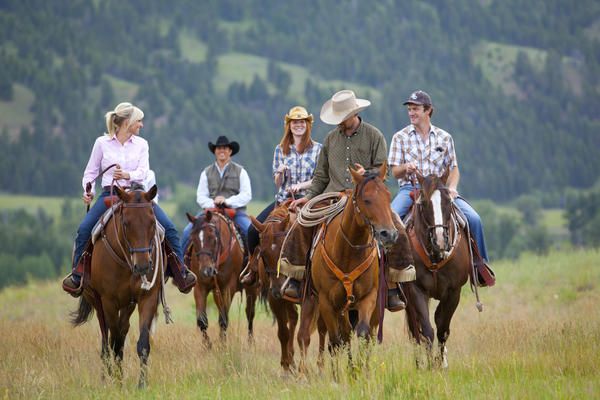
The designation of top family ranches in America is frequently misconstrued as a static popularity ranking determined by luxury room amenities or celebrity endorsements. This represents a fundamental categorization error. Genuine quality in this domain is measured by infrastructural resilience, child-to-guide safety ratios, pasture versatility, and the capacity of a historic working or guest estate to balance authentic agricultural rhythms with high-end hospitality.
When experienced family office advisors and multi-generational planners assess these properties, they focus heavily on mitigating “operational friction,” the hidden disconnect between an estate’s marketing presentation and its actual physical layout. For instance, booking a remote mountain property with steep unpaved elevation changes, cabins lacking interior climate control, or restrictive riding age minimums guarantees social fragmentation and physical exhaustion for diverse family cohorts. Misunderstandings multiply when planners confuse superficial rustic charm with the rigorous safety protocols required for children handling large livestock or navigating alpine wilderness environments.
The risk of unmitigated oversight in this sector involves assuming that any historic homestead or luxury dude ranch can organically accommodate every age bracket simultaneously. By looking beyond promotional brochures, organizers can apply a systematic lens to evaluate an estate’s true operational bandwidth. This ensures that a multi-generational holiday addresses real-world logistical constraints while preserving the timeless sense of space, freedom, and shared discovery that defines the western heritage experience.
Furthermore, analyzing these properties requires distinguishing between foundational structural prerequisites such as accredited equine wranglers, certified medical response readiness, and adaptable dining infrastructure and secondary preferences, such as spa menus or artisanal room decor. Treating these tiers as interchangeable compromises family safety and overall satisfaction. True operational readiness requires mapping individual family member capability profiles against an estate’s specific geographic and climatic realities well in advance of arrival.
Deep Contextual Background: The Evolution of Western Guest Properties
The systemic evolution of the western guest property traces its roots back to the late nineteenth century, when transcontinental railways opened the high plains and Rocky Mountain valleys to eastern travelers. Cattle operations, facing economic shifts and harsh winters, discovered that hosting paying guests initially termed “dudes” provided a vital secondary revenue stream. Over the decades, these working ranches and homesteads bifurcated into distinct operational models, ranging from authentic working cattle operations where guests participate daily in branding and herding, to highly refined resort properties that blend equestrian culture with five-star culinary and wellness programming.
This historical trajectory was accelerated by changing vacation patterns, demographic expansions, and a growing cultural hunger for unplugged, tactile experiences in an increasingly digital world. Modern travelers no longer accept rigid, one-size-fits-all itineraries. Consequently, the contemporary market features specialized variations: conservation-focused wilderness reserves spanning hundreds of thousands of acres, boutique family-owned homesteads emphasizing generational continuity, and ultra-luxury mountain enclaves offering private guides for every member of the family. Navigating this landscape requires an understanding of how historical land use dictates current guest capacities and environmental interactions.
This background underscores why evaluating a premier property depends on mastering “pasture-to-plate” and “range-to-lodging” logistics. The modern expectation is not merely observing a landscape from a vehicle, but engaging with working ecosystems through horseback riding, fly-fishing, wildlife tracking, and agricultural education. Historical models demanded that guests adapt entirely to rugged conditions; contemporary frameworks balance authentic grit with refined safety, dietary customization, and architectural comfort.
Conceptual Frameworks and Mental Models
To evaluate multi-generational ranch properties and manage complex family dynamics effectively, planners must utilize mental models that prioritize systemic safety and psychological comfort over romanticized expectations:
-
The Equine-to-Guest Matching Quotient: This model evaluates the ratio of trained horses and professional wranglers to total guest headcounts, ensuring that beginner riders, children, and advanced equestrians are never grouped into unsafe or mismatched riding strings.
-
The Spatial Wilderness Buffer: Multi-generational harmony requires balancing active communal lodges where families gather for meals with acoustic privacy zones in outlying cabins where children and seniors can rest undisturbed.
-
The Altitude-Acclimatization Index: A critical framework measuring the physiological risks of rapid transit from sea-level environments to high-altitude mountain ranches, accounting for pediatric and geriatric vulnerability to dehydration and altitude sickness.
-
The Weather-Contingency Proximity Matrix: Assessing an estate’s indoor infrastructural capacity to absorb a full family cohort during sudden alpine squalls, blizzards, or extreme heat events without causing cabin fever or behavioral friction.
Each of these frameworks establishes clear boundary conditions. Operating outside these parameters exposes a family group to physical distress and operational failure, proving that conceptual rigor is mandatory when selecting a western destination.
Key Categories or Variations and Strategic Trade-offs
| Category | Primary Focus | Trade-off |
| Traditional Working Cattle Ranches | Authentic agricultural participation, cattle drives, rugged homestead heritage | Limited luxury amenities, shared bathrooms in historic buildings, rustic dietary options |
| Luxury Dude Ranch Resorts | High-end culinary programs, spa facilities, diverse non-riding activities, premium cabins | Higher cost, less focus on actual ranch work, more resort-like social atmosphere |
| Conservation Wilderness Reserves | Vast acreage, wildlife tracking, ultimate privacy, pristine ecological preservation | Extreme remoteness, highly variable weather, restricted vehicular access |
| Family-Centric Guest Ranches | Dedicated kids’ programs, structured age-group activities, rodeo nights, swimming pools | Highly structured schedules, less flexibility for spontaneous adult-only outings |
| Historic Homestead Compounds | Legacy architecture, intimate guest counts, deep regional storytelling, personal host engagement | Historic structural limitations (stairs, lack of modern HVAC in certain wings) |
| Boutique Mountain Riding Ranches | Advanced trail riding, technical horsemanship clinics, pristine alpine terrain | Less suitable for young children or non-riders seeking diverse recreational variety |
Realistic decision logic dictates that when evaluating top-tier properties, organizers must weigh regional infrastructure against the specific demographic profile of their family. If a family includes toddlers or elderly members with limited mobility, historic working ranches featuring multi-story timber stairs and long distances between unpaved stables and dining rooms should be bypassed in favor of master-planned guest ranches with flat, golf-cart-accessible pathways and robust children’s counselors. Conversely, if the family consists of older teenagers and adults seeking serious equestrian skill development, boutique riding ranches offer an optimal structural fit.
Detailed Real-World Scenarios
Scenario One: The High-Altitude Pediatric Dehydration Crisis
An urban family travels directly from sea level to an 8,500-foot mountain ranch in Wyoming, immediately placing children into intense afternoon horseback riding loops without an acclimatization window.
-
Constraints: High elevation; unaccustomed physical exertion; dry mountain air; pediatric vulnerability.
-
Decision Points: Enforcing a mandatory 24-hour low-excursion acclimatization period versus jumping straight into aggressive full-day trail rides.
-
Failure Modes: Multiple children experience severe altitude sickness, headaches, and dehydration, requiring emergency medical evacuation down the mountain.
-
Second-Order Effects: Ruined vacation momentum, acute parental panic, and the loss of multiple days of ranch programming for the entire family.
Scenario Two: The Mismatched Equine Skill Collision
A ranch wrangler assigns an energetic, reactive horse to an intermediate teenager who overestimated their riding ability on an uneven mountain ridge trail.
-
Constraints: Steep, rocky switchbacks; loose gravel terrain; wildlife startling triggers; skill-level misreporting.
-
Decision Points: Conducting a rigorous preliminary arena assessment for every guest versus relying on self-reported guest riding experience questionnaires.
-
Failure Modes: The horse sputters or bolts on a narrow cliffside ledge, throwing the rider and causing a clavicle fracture.
-
Second-Order Effects: Immediate termination of the trail ride, emergency medical transport coordination, and lingering anxiety regarding horses among other family members.
Scenario Three: The Severe Weather Isolation Confinement
A family books a remote conservation ranch during the shoulder season, failing to establish contingency plans for a sudden three-day spring blizzard that cuts off road access.
-
Constraints: Single-lane dirt access roads; heavy snowfall; limited indoor recreational square footage in historic cabins.
-
Decision Points: Selecting properties with expansive indoor lodges, game rooms, and reliable backup generators versus relying entirely on outdoor trail infrastructure.
-
Failure Modes: The family is confined to cramped quarters with no television or internet, leading to intense cabin fever, frayed tempers, and mutual frustration.
-
Second-Order Effects: Psychological strain, negative family memories associated with the destination, and a compromised vacation experience despite stunning natural scenery.
Scenario Four: The Structured Youth Program Mismatch
Parents enroll an independent, strong-willed 13-year-old into a rigid, young-child ranch day camp geared toward toddlers and elementary-aged kids.
-
Constraints: Fixed age-bracket programming; lack of middle-school-specific adventure tracks; social awkwardness.
-
Decision Points: Reviewing granular daily activity schedules for teenagers versus assuming all-inclusive kids’ clubs cater equally to all minors.
-
Failure Modes: The teenager refuses to participate, demanding to stay behind in the cabin, which forces parents to split their time or abandon their own scheduled rides.
-
Second-Order Effects: Interpersonal tension, parental resentment, and fractured family participation across the itinerary.
Planning, Cost, and Resource Dynamics
| Factor | Moderate-Complexity (Standard Family Guest Ranch) | High-Complexity (Exclusive Wilderness Reserve Buyout) |
| Financial Exposure | Moderate ($\$3,500 – \$7,000$ per person/week all-inclusive) | Severe ($\$20,000 – \$50,000+$ per day total compound fee) |
| Planning Lead Time | 6–10 Months | 12–18 Months |
| Opportunity Cost | Minor scheduling rigidity due to fixed ranch weeks | Major financial loss upon cancellation; zero itinerary flexibility once locked |
Direct costs, such as all-inclusive weekly rates, wrangler gratuities, gear rentals, and airport transfer fees, must be modeled as baseline operational requirements. When analyzing financial planning for ranch vacations, experts note that indirect costs—such as specialized equestrian training sessions, private photography packages, medical evacuation insurance riders, and off-site excursion fees—frequently push total expenditures well past initial estimates. Resource allocation must always incorporate a dedicated contingency buffer to absorb unexpected logistical variances.
Tools, Strategies, and Support Systems
-
Verified Ranch Association Directories: Utilize established organizations like the Dude Ranchers’ Association to vet properties for mandatory safety compliance, insurance standards, and historical operational track records.
-
Equine Assessment Checklists: Implement standardized riding evaluation questionnaires that accurately measure individual family member riding confidence before arrival.
-
Emergency Medical Evacuation Memberships: Secure comprehensive air-ambulance and remote rescue coverages given the distance of prime ranches from tertiary trauma centers.
-
Collaborative Multi-Family Packing Apps: Deploy digital planning lists tailored to high-altitude environments, covering layers, sun protection, riding boots, and saddle sores prevention.
-
Private Concierge Liaisons: Engage specialized travel designers who maintain direct communication channels with head wranglers and ranch managers to customize daily pacing.
-
Digital Shared Itinerary Boards: Use centralized applications to coordinate optional split schedules where adults pursue advanced backcountry rides while children engage in crafts or fishing.
Risk Landscape and Failure Modes
The primary hazard associated with selecting improper ranch environments is the “Equine-Terrain Dislocation Cascade,” where a mismatch between guest riding competence, horse temperament, and rugged topography results in serious physical injury. A secondary risk is “Pacing Exhaustion,” where families attempt to maintain a non-stop schedule of dawn rides, afternoon hikes, and evening rodeos without adequate rest windows.
Compounding risks emerge when unaddressed environmental factors such as extreme solar radiation at high altitudes, dehydration, or unexpected wildlife encounters are mishandled due to lax ranch supervision or poor individual preparation. Furthermore, in remote wilderness zones with zero cellular connectivity, minor medical emergencies can quickly escalate into critical crises. When these risk vectors compound, a celebrated family vacation transforms into a severe liability event.
Governance, Maintenance, and Long-Term Adaptation
Maintain a disciplined review and adjustment protocol throughout the planning and execution phases of any ranch excursion:
-
Pre-Arrival Safety Audit: Require written verification from the ranch regarding helmet safety standards, horse string rotation policies, and emergency radio communication protocols.
-
On-Site Day-Two Check-In: Evaluate physical fatigue, saddle comfort, and emotional confidence among family members after the first forty-eight hours to request adjustments to horse assignments or pacing.
-
Weather and Altitude Pivot Trigger: If sudden storms, excessive heat, or altitude sickness symptoms appear, immediately shift the daily itinerary to low-impact indoor or low-elevation activities.
-
Post-Trip Legacy Review: Document property suitability, staff responsiveness, and food and beverage quality immediately upon return to inform future western travel decisions.
Measurement, Tracking, and Evaluation
Evaluation should rely on a combination of quantitative metrics and qualitative behavioral signals. A leading indicator of family travel strain is an increase in scheduling friction, skipped morning rides, or overt physical exhaustion among children and seniors. Qualitative signals include high punctuality at the corrals, balanced energy levels, enthusiastic participation in communal events, and genuine social connection across generations.
Documentation examples include:
-
Ranch Safety and Compliance Register: A detailed logging sheet verifying wrangler certifications, helmet quality, and emergency medical response times.
-
Shared Multi-Generational Expense Ledger: An audit trail tracking base rates, gratuities, private gear purchases, and excursion fees.
-
Daily Family Pacing Sheet: A master schedule accounting for mandatory rest windows, staggered riding groups, and evening family gathering milestones.
Common Misconceptions and Oversimplifications
-
Myth: “Any guest ranch advertised as family-friendly allows children of all ages to ride horses on open mountain trails.”
Correction: Most reputable ranches enforce strict age minimums (often 6 or 8 years old) for trail riding, utilizing lead-line or arena sessions for younger children to ensure safety. -
Myth: “Ranch vacations are completely rustic, meaning families should expect minimal comfort and basic camping conditions.” Correction: The upper tier of American guest ranches features luxury private cabins, heated floors, gourmet farm-to-table cuisine, and high-end spa facilities.
-
Myth: “Previous riding experience is mandatory to enjoy a western ranch vacation.”
Correction: The vast majority of top ranches specialize in beginner instruction, matching docile horses and patient wranglers with novice guests. -
Myth: “Booking a working cattle ranch means you spend the entire week doing heavy manual labor.”
Correction: Participation in cattle work is optional at most guest-focused working ranches; guests can choose to ride horses purely for leisure or hike at their own pace. -
Myth: “All dude ranches operate year-round regardless of geographic location.”
Correction: Mountain ranches in states like Montana, Wyoming, and Colorado have strict seasonal windows due to heavy winter snowfalls, operating primarily in summer or winter blocks. -
Myth: “Packing for a ranch trip requires little more than standard casual resort clothing and sneakers.”
Correction: Proper footwear (smooth-soled riding boots with heels), layered alpine clothing, sun protection, and specialized gear are non-negotiable for physical safety.
Ethical, Practical, and Contextual Considerations
When organizing travel to historical western ranches, visitors step into complex cultural and ecological landscapes. Responsible travelers must respect the working traditions of ranch hands, indigenous histories of the local terrain, and the delicate ecological balance of public and private western rangelands. Practical considerations dictate that guests follow strict environmental guidelines, practice Leave No Trace principles on backcountry trails, and treat ranch livestock with humane awareness.
Furthermore, multi-generational groups must manage economic expectations and physical disparities among family members with empathy and clarity. Ensuring that activities accommodate every relative prevents social alienation and guarantees that all participants experience the restorative spirit of the American West.
Conclusion
Selecting and experiencing the finest western guest properties is an exercise in meticulous research, structural awareness, and respect for the natural environment. By employing a rigorous framework to evaluate equine safety, topographical constraints, altitude realities, and lodging infrastructure, organizers can curate journeys that protect the well-being of every family member across all age groups. Success is measured not merely by the physical distance covered on horseback, but by the cultivation of enduring family bonds, shared resilience, and a profound connection to the heritage of the American land.