
How to Avoid Toddler Travel Risks: A Strategic Safety Guide
The transit of very young children across unfamiliar domestic and international environments introduces a complex array of neurodevelopmental vulnerabilities, physiological sensitivities, and acute safety hazards that routinely surpass standard travel risk models. When caregivers attempt to synchronize adult itineraries with the unpredictable autonomic rhythms, mobility surges, and immune limitations of early childhood, the endeavor shifts from leisure management to high-stakes environmental safety oversight. Conventional travel guidance treats these hazards as isolated instances of poor packing or bad luck, ignoring the systemic architectural failures that generate chronic exhaustion, environmental exposure, and severe health crises.
Avoiding these dangers requires moving past surface-level checklists or generic parenting blogs. True resilience stems from an understanding of systemic travel vulnerabilities, the compounding effects of sensory overload, circadian disruption, unmanaged nutritional shifts, and environmental hazard exposure. When an itinerary assumes that a toddler’s physiological and emotional endurance scales linearly with excitement, secondary complications multiply rapidly. Sleep architecture collapses, cortisol levels spike, immune defenses falter under novel pathogen loads, and minor environmental oversights escalate into medical emergencies.
Understanding “how to avoid toddler travel risks.”
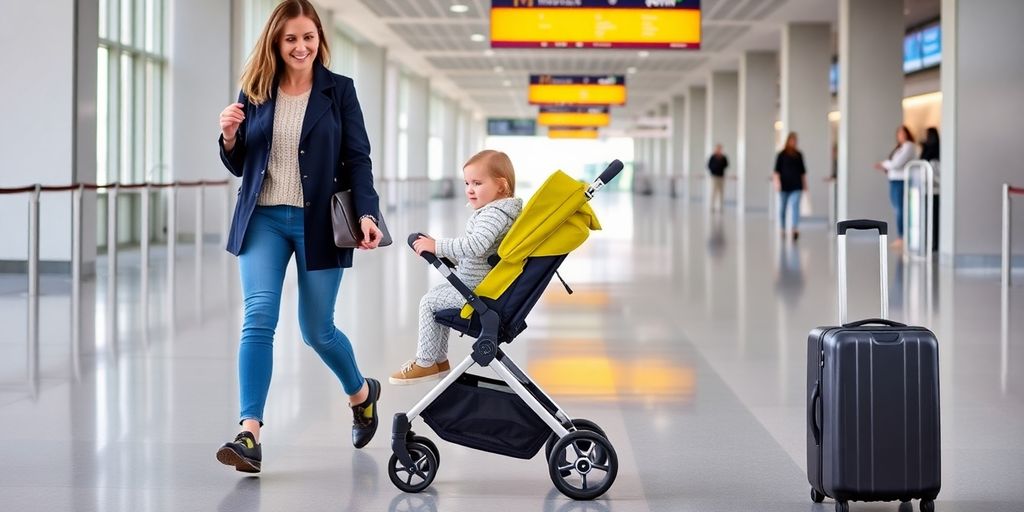
The inquiry into how to avoid toddler travel risks is frequently misconstrued as a simple matter of bringing extra snacks, packing basic first-aid supplies, or securing a lightweight stroller. This represents a fundamental categorization error. True utility in this space is defined by the convergence of developmental environmental assessment, physiological homeostasis preservation, and the structural design of buffer zones that absorb behavioral and medical surprises before they become critical incidents.
When experienced pediatric health specialists and family travel coordinators discuss these threats, they focus on the mitigation of “environmental volatility”: the rapid exposure to novel allergens, unregulated water sources, unsanitized high-touch surfaces, and crowd-induced sensory fragmentation. For example, placing an overtired toddler in a crowded, high-stimulation transit hub without a decompression sanctuary triggers an acute neurological overload response, manifesting as prolonged behavioral dysregulation and severe parental distraction. Misunderstandings proliferate when planners conflate “child-friendly destination marketing” with “structural physiological safety,” ignoring the lack of childproofing in standard commercial lodgings.
Deep Contextual Background: The Evolution of Early Childhood Travel Safety
The systemic evolution of early childhood travel safety has shifted from mid-century domestic road-trip models—where car safety seats were virtually nonexistent and medical access was localized to contemporary globalized tourism environments characterized by rapid jet transit, complex disease exposure profiles, and stringent regulatory standards for child restraints. Historically, infant and toddler travel was constrained by slow transit networks, resulting in gradual climatic and microbial acclimation. Today, families traverse multiple time zones and distinct epidemiological regions within hours, forcing young immune and nervous systems to adapt to extreme environmental shifts instantaneously.
This shift was driven by aviation accessibility and the cultural normalization of bringing very young children on international expeditions. Modern caregivers understand that the scarcity of predictable biological stability is the true constraint, not geographical distance. Consequently, the family travel security market has bifurcated. Traditional institutional resort childcare services are increasingly supplemented by specialized medical travel consultancies, portable childproofing engineering kits, and decentralized slow-travel networks designed to minimize sensory shock.
This institutional shift means that applying best practices for how to avoid toddler travel risks is increasingly defined by mastering “environmental hazard anticipation.” The modern expectation is not merely reacting to a fever or a fall on-site, but independently auditing every transit vehicle, accommodation, and public itinerary for hidden structural dangers. Historical models demanded vigilance against basic highway accidents; contemporary frameworks depend on scrutinizing air filtration systems, water sanitation standards, chemical safety in rentals, and crowd crush dynamics.
Conceptual Frameworks and Mental Models
To manage these complex developmental and environmental safety assets effectively, one must adopt specific mental models that prioritize systemic prevention over reactive crisis management:
-
The Developmental Hazard Horizon: Recognize that a toddler’s physical capabilities expand faster than their executive functioning or impulse control. An environment that was safe for an infant months prior becomes hazardous instantly once climbing and running behaviors emerge.
-
The Circadian Desynchronization Index: This is the calibrated measure of sleep debt accumulation across time zones. For young children, chronic circadian disruption impairs emotional regulation, lowers immune function, and increases vulnerability to accidental injury.
-
The Environmental Redundancy Principle: Every critical safety asset such as water purification, emergency medication, and primary identification documentation must feature a secondary backup stored in an independent bag. Single points of failure in medical or hydration supplies are unacceptable.
-
The Sensory Threshold Boundary: To prevent behavioral meltdowns caused by environmental exhaustion, strictly cap daily sensory input hours, ensuring mandatory quiet time in a dark, familiar spatial enclosure.
Each of these models establishes a boundary condition. Operating outside these boundaries increases exposure to physical injury and medical distress, demonstrating why theoretical grounding is essential for anyone seriously evaluating how to avoid toddler travel risks within unfamiliar global landscapes.
Categories of Variation: Taxonomy and Trade-offs
| Category | Primary Focus | Trade-off |
| Urban High-Density Transit | Rapid cultural exploration, public mobility | High germ exposure, stroller access barriers, crowd risks |
| Isolated Wilderness Lodging | Natural quiet, controlled environment | Limited immediate medical access, wildlife hazards |
| All-Inclusive Resort Enclave | Predictable dining, managed water safety | Homogeneous environments, restricted local autonomy |
| Road-Trip Nomadic Touring | Flexible schedules, personal vehicle control | Prolonged car seat confinement, erratic sleep hygiene |
| International Cross-Border Flight | Global destination reach, speed | Severe jet lag, cabin air filtration risks, ear barotrauma |
| Multi-Family Shared Rental | Social support, shared domestic space | Unchecked childproofing gaps, conflicting routines |
Realistic decision logic dictates that when you integrate plans on how to avoid toddler travel risks into your strategy, you must weigh the environmental infrastructure against the child’s “adaptability threshold,” the degree of sensory and schedule disruption they can absorb before physiological health degrades. If the child exhibits high sensitivity to schedule changes or environmental noise, prioritize controlled environments like all-inclusive resort enclaves or private rentals with verified childproofing. If the family pursues urban exploration, enforce strict daily nap boundaries and utilize baby-wearing apparatuses over bulky strollers in dense crowds.
Detailed Real-World Scenarios
Scenario One: The Unvetted Rental Villa Pool
A family with a mobile twenty-month-old rents a scenic cliffside villa featuring an open, unfenced infinity pool overlooking the ocean.
-
Constraints: High aesthetic appeal; desire for outdoor relaxation; lack of permanent physical pool fencing.
-
Decision Points: Relying on verbal warnings and constant visual monitoring versus installing a temporary mesh safety fence or selecting an alternative property.
-
Failure Modes: A momentary lapse in adult visual supervision leading to a catastrophic near-drowning incident during luggage unpacking.
-
Second-Order Effects: Psychological trauma, emergency medical evacuation, and permanent termination of the travel itinerary.
Scenario Two: The International Gastrointestinal Crisis
A family traveling in a developing region feeds their toddler fresh fruit washed in local tap water at a street-side cafe.
-
Constraints: Desire for cultural culinary immersion; unfamiliarity with local microbial contaminant profiles.
-
Decision Points: Ordering unpasteurized or unsealed food and beverages versus strictly enforcing bottled water and cooked-to-order protocols.
-
Failure Modes: Rapid onset of severe pediatric gastroenteritis, leading to acute dehydration and electrolyte collapse within hours.
-
Second-Order Effects: Emergency hospitalization in a foreign medical facility, language barrier complications, and repatriation delays.
Scenario Three: The Transit Hub Elopement
A caregiver managing multiple bags becomes momentarily distracted at a bustling international train station while checking departure boards.
-
Constraints: High passenger density; complex signage; heavy luggage load inhibiting rapid movement.
-
Decision Points: Carrying the child or utilizing a secured harness/stroller versus allowing the toddler to walk independently in the crowd.
-
Failure Modes: The toddler darts into a moving crowd or toward active rail tracks, disappearing within seconds.
-
Second-Order Effects: High-panic search operations, security lockdowns, and profound psychological stress for the entire family.
Scenario Four: The Severe Sun and Heat Exposure
A family embarks on a midday open-air historical walking tour in an arid climate without adequate shade or hydration intervals for a young toddler.
-
Constraints: Inflexible tour booking times; intense ambient temperatures; high stroller surface heat reflection.
-
Decision Points: Continuing the tour to see the scheduled exhibits versus abandoning the itinerary to seek indoor air-conditioned refuge.
-
Failure Modes: Early-stage heat exhaustion progressing rapidly to dehydration, lethargy, and thermal skin blistering.
-
Second-Order Effects: Emergency medical intervention, ruined travel morale, and subsequent days lost to infant recovery.
Planning, Cost, and Resource Dynamics
| Factor | Low-Complexity (Domestic Standard) | High-Complexity (International Remote) |
| Financial Exposure | Moderate ($\$1,500 – \$5,000$ baseline) | High ($\$8,000 – \$25,000+$ emergency buffer) |
| Preparation Lead Time | 2–4 Weeks | 3–6 Months |
| Opportunity Cost | Standardized Itinerary Limits | Medical Evacuation and Trip Abandonment |
Direct costs, such as comprehensive travel health insurance covering pediatric medical evacuation, pre-travel immunizations, and certified car seats, must be treated as mandatory baseline investments. As you analyze strategies for how to avoid toddler travel risks, note that they often involve hidden indirect costs, such as the administrative labor of verifying medical infrastructure at the destination, sourcing safe organic nutrition abroad, and carrying redundant supplies, which significantly outweigh basic ticket expenses. Resource allocation must account for the “medical contingency fund,” liquid capital reserved exclusively for emergency pediatric care.
Tools, Strategies, and Support Systems
-
Pediatric Travel Health Consultations: Schedule an appointment with a travel medicine specialist at least six weeks before departure to review destination-specific immunizations and emergency pharmacy locations.
-
The Portable Childproofing Kit: Pack outlet covers, cabinet strap locks, and a lightweight, portable door-alarm system to secure unfamiliar hotel rooms or rental properties upon entry.
-
Certified Restraint Verification: Ensure that all destination transit arrangements, including taxis, rental cars, and tour vans, utilize properly rated, uncompromised child safety seats rather than relying on unverified local stock.
-
Offline Medical and Emergency App Sync: Download offline medical translation guides, local emergency service contact numbers, and pediatric dosage calculators to all caregiver devices.
-
The Hydration and Electrolyte Pipeline: Carry sealed oral rehydration salts and dedicated medical dosing syringes to manage sudden viral illnesses during transit.
-
High-Visibility Identification Systems: Equip the toddler with a wristband or clothing tag displaying emergency contact numbers and medical alerts in both English and the local language.
Risk Landscape and Failure Modes
The primary risk in traveling with young children is the “Cascade of Exhaustion,” where sleep deficits, minor viral exposures, and environmental heat combine to break down a toddler’s immune and behavioral self-regulation. A secondary risk is “The Infrastructure Fallacy,” where caregivers assume that modern hotels or popular tourist destinations maintain rigorous child safety standards, ignoring unguarded balconies, toxic landscaping plants, and unsecured heavy furniture.
Compounding risks occur when linguistic barriers in foreign medical environments delay accurate diagnosis during a pediatric emergency, turning a manageable illness into a critical crisis. Furthermore, when caregivers neglect their own rest and nutrition while managing toddler logistics, parental error rates increase sharply, amplifying environmental vulnerabilities. When these risks converge unchecked, the travel experience results in severe physical harm and psychological trauma.
Governance, Maintenance, and Long-Term Adaptation
Maintain a structured review cadence for all health, safety, and logistical assets throughout the journey:
-
Pre-Arrival Safety Audit: Conduct a rigorous room-by-room safety check of all lodging accommodations immediately upon check-in, securing toxic items and identifying hazards.
-
Daily Hydration and Rest Review: Monitor daily fluid intake, urination frequency, and nap durations every evening to catch dehydration or exhaustion early.
-
Triggered Itinerary Curtailment: If a toddler exhibits persistent irritability, fever, or refusal to eat, immediately cancel all non-essential afternoon activities to enforce rest.
-
Post-Trip Health Surveillance: Monitor the child’s temperature and digestive health for fourteen days following return from international or high-density travel environments.
Measurement, Tracking, and Evaluation
Evaluation should rely on both qualitative signals and leading indicators. A leading indicator of impending toddler burnout or illness is an abrupt disruption in baseline sleep patterns coupled with uncharacteristic clinginess over a twenty-four-hour window. Qualitative signals include bright affect, consistent appetite, normal elimination patterns, and sustained engagement in play.
Documentation examples include:
-
Pediatric Health and Immunization Ledger: A secure record tracking vaccine schedules, medication allergies, and emergency medical contact numbers.
-
Daily Wellness and Hydration Log: A tracking sheet monitoring sleep hours, fluid intake, and mood stability across travel days.
-
Lodging Safety Audit Checklist: A standardized inspection register used to verify room security, pool fencing, and electrical safety in every new accommodation.
Common Misconceptions and Oversimplifications
-
Myth: “Toddlers sleep anywhere, so changing time zones and sleeping environments won’t disrupt their routine.”
Correction: When evaluating how to avoid toddler travel risks, recognize that young children rely heavily on predictable environmental cues for sleep regulation; abrupt circadian shifts cause severe behavioral dysregulation. -
Myth: “You don’t need travel health insurance for children because they bounce back quickly from illnesses.”
Correction: Pediatric emergencies abroad can incur exorbitant out-of-pocket medical and evacuation costs that far exceed standard insurance premiums. -
Myth: “Hotels and vacation rentals are inherently childproofed if they market themselves as family-friendly.”
Correction: Marketing terminology rarely aligns with rigorous safety standards; unguarded balconies, accessible cleaning chemicals, and unsecured televisions are ubiquitous. -
Myth: “Car seats are unnecessary in developing countries or resort shuttle vans where local families don’t use them.”
Correction: Traffic accidents are a leading cause of severe injury during travel; proper physical restraint is non-negotiable regardless of local cultural norms. -
Myth: “Packing extra clothes and snacks is sufficient preparation for unexpected flight delays.”
Correction: Extended transit disruptions require specialized medical supplies, hydration salts, and age-appropriate fever reducers that standard packing overlooks. -
Myth: “Toddlers do not need acclimatization days; they can jump straight into high-intensity sightseeing upon arrival.”
Correction: Forcing a young child into immediate activity after long-haul transit triggers immune suppression and severe behavioral burnout.
Ethical, Practical, and Contextual Considerations
When orchestrating journeys with young children across international boundaries, caregivers must navigate the ethical responsibilities of pediatric safety and consent. Exposing a vulnerable toddler to extreme climates, high disease-burden regions, or grueling transit schedules solely for adult leisure gratification introduces significant ethical friction. Practical considerations demand that itineraries prioritize the child’s developmental well-being, biological rhythms, and medical safety above all tourism objectives.
Furthermore, economic disparities in destination regions highlight the importance of responsible health practices. Caregivers must ensure that their medical support needs do not strain fragile local healthcare infrastructure in developing communities. Addressing these responsibilities openly during the initial planning phase preserves the integrity of the family unit and ensures sustainable, ethical exploration.
Conclusion
The orchestration of travel with young children is an exercise in rigorous environmental auditing, physiological protection, and psychological pacing. By viewing these expeditions through a systems-oriented safety lens rather than a casual vacation mindset, caregivers can construct frameworks that protect infant and toddler health while enabling meaningful exploration. Success is not measured by the number of monuments visited or miles traveled, but by the preservation of physical safety, emotional stability, and developmental well-being. Mastery in this discipline requires continuous vigilance, uncompromising preparation, and an unwavering commitment to child safety above all else.