The Ultimate Guide to Coastal Family Destinations USA: Expert Travel Planning
The geography of the United States coastline presents a striking diversity of environments, ranging from the sub-tropical barrier islands of the Southeast to the rugged, temperate cliffs of the Pacific Northwest and the historic maritime expanses of New England. For families attempting to orchestrate shared travel across these varied littorals, the planning process requires more than simple destination selection; it demands an understanding of how distinct coastal ecosystems, regional climates, and local infrastructural models shape the daily rhythm of a family vacation. A trip to a high-energy surf town differs fundamentally from a stay in a sheltered estuarine sanctuary or a rocky northeastern harbor village, not merely in scenery, but in logistics, safety parameters, financial investment, and daily pacing.
Evaluating options for multi-generational or nuclear family trips along these shores involves balancing competing priorities. Parents often weigh the accessibility of calm, shallow waters for younger children against the desire for cultural depth, historical context, or outdoor adventure suited for teenagers. Furthermore, the modern landscape of family travel is influenced by seasonal pressures, shifting coastal ecologies, and the economic realities of regional tourism markets. A destination that thrives in the shoulder seasons of May or September may present entirely different logistical hurdles during the peak heat and congestion of July and August.
This analysis examines the structural dimensions of planning family excursions along American shores. By moving past surface-level travel guides, this exploration establishes a comprehensive framework for understanding how geography, infrastructure, economics, and seasonal dynamics intersect. The goal is to provide a reference point for evaluating coastal regions, anticipating logistical friction points, and aligning destination characteristics with the long-term preferences and practical constraints of diverse family units.
Understanding “coastal family destinations usa.”

When analysts, tourism boards, and travelers reference coastal family destinations USA, they are pointing to a vast, heterogeneous collection of geographies rather than a monolithic category. The term encompasses thousands of miles of Atlantic, Gulf of Mexico, Pacific, and Great Lakes shorelines, each defined by distinct oceanographic conditions, regulatory frameworks, architectural histories, and cultural traditions. A frequent error in evaluating these regions is treating the American coastline as a uniform leisure product where the primary variable is water temperature or sand texture.
In practice, the operational realities of these regions vary dramatically. For instance, the barrier islands of North Carolina’s Outer Banks function on a dynamic geography of shifting sands, bridge-dependent access routes, and vacation-rental-dominated economies. Conversely, the historic coastal towns of Maine rely on rocky headlands, decentralized bed-and-breakfast models, working lobster fisheries, and cooler, maritime climates. Confusing these typologies often leads to misaligned expectations, such as expecting walkable urban boardwalks in a remote wildlife refuge or seeking secluded wilderness on a heavily commercialized southern boardwalk.
Furthermore, oversimplifying the family demographic creates planning vulnerabilities. A destination optimized for toddlers characterized by gentle wave action, shallow tidal pools, short walking distances from parking to sand, and immediate access to pediatric medical care differs completely from a location suited for families with teenagers, which typically requires access to active water sports, independent mobility options, historical immersion, or varied culinary landscapes. Understanding the term requires recognizing that successful coastal travel depends on matching the structural realities of a specific littoral micro-region with the precise developmental stages, risk tolerances, and logistical capacities of the traveling group.
Deep Contextual Background: The Evolution of American Shoreline Travel
The contemporary landscape of American family beach travel is the product of more than a century of socioeconomic transformation, infrastructural development, and shifting cultural attitudes toward leisure. Before the mid-nineteenth century, American coastlines were primarily functional spaces dominated by maritime trade, commercial fishing, shipbuilding, and defense fortifications. The ocean was viewed with a mixture of utilitarian respect and utilitarian distance; sandy beaches were rarely destinations for recreational bathing in the modern sense.
The rise of the coastal resort began with the expansion of the rail networks, which connected industrializing inland population centers to northeastern shores like Cape May, New Jersey, and Newport, Rhode Island. These early destinations were designed for the urban elite seeking thermal cures, cooler summer air, and social display. Grand hotels emerged, establishing a precedent for seasonal tourism economies that dictated the economic heartbeat of entire counties.
Conceptual Frameworks and Mental Models for Coastal Travel
Navigating the complexities of coastal geography requires structured mental models that help organize information and evaluate trade-offs. The following frameworks offer analytical lenses for assessing destinations beyond promotional imagery.
The Exposure-Access Matrix
This model plots destinations along two axes: natural exposure (ranging from sheltered bays and sounds to high-energy open ocean surf) and infrastructural access (ranging from hyper-developed urban boardwalks with immediate emergency and commercial services to remote wilderness coasts requiring self-sufficiency). Families can use this matrix to plot their comfort level. For example, families with young children often require low exposure combined with high access, whereas adventurous groups may deliberately seek high exposure coupled with moderate-to-low access.
The Seasonal Elasticity Index
Coastal economies are subject to extreme temporal fluctuations. This framework evaluates a destination based on its operational elasticity—how drastically its pricing, crowd density, service availability, and weather risks shift between peak summer, shoulder seasons, and winter off-seasons. A destination with high elasticity offers deep cost savings and tranquility in shoulder months but may shutter essential family infrastructure (lifeguards, restaurants, medical clinics) outside a narrow ten-week window.
The Infrastructure-Ecosystem Balance
Every coastal destination exists on a spectrum between ecological preservation and anthropogenic development. This mental model asks travelers to consider the footprint of their stay. Highly engineered destinations offer convenience, predictability, and dense entertainment options, but often at the cost of artificiality, traffic congestion, and environmental degradation. Conversely, ecologically preserved destinations offer immersion in natural systems, wildlife observation, and quietude, but demand greater self-reliance, adherence to strict conservation rules, and tolerance for natural nuisances like insects or tidal shifts.
Typologies and Regional Variations
American coastlines can be categorized into distinct regional typologies, each carrying inherent advantages, operational trade-offs, and distinct logistical profiles.
-
The Northeastern Maritime (New England & Mid-Atlantic): Characterized by rocky shores, historic whaling and fishing ports, cooler summer waters, and rich maritime history. Ideal for multi-generational trips prioritizing cultural exploration, seafood culinary traditions, and walkable town centers. Trade-offs include higher lodging costs, short peak swimming windows, and variable weather.
-
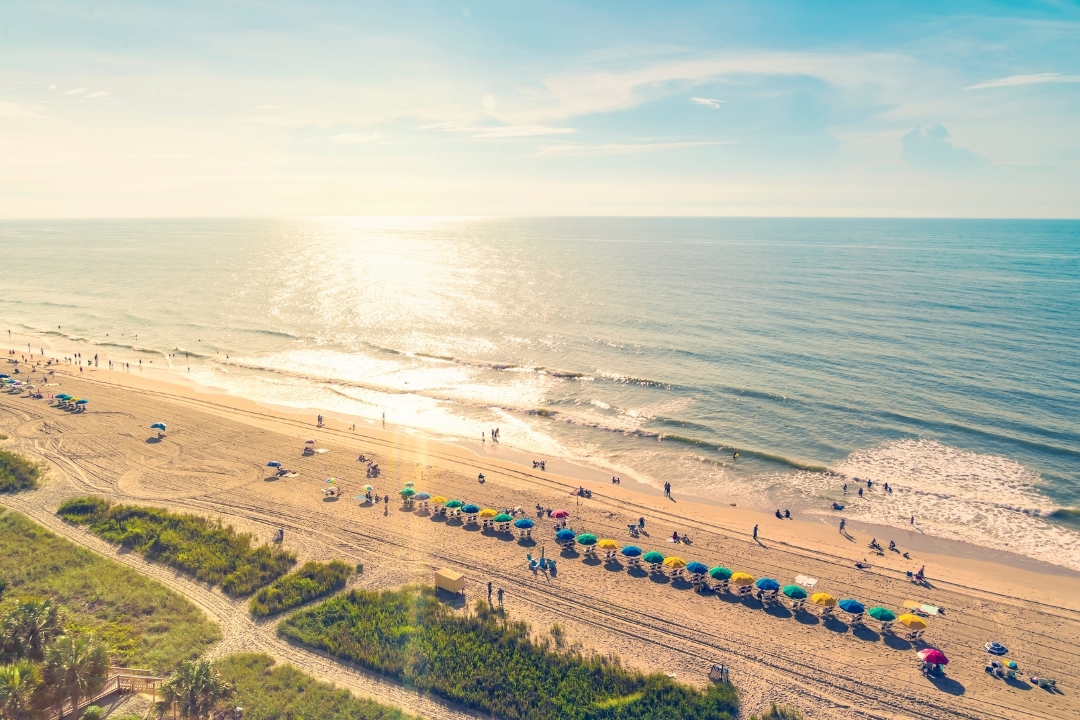
The Mid-Atlantic Barrier Island Systems: Dominated by long sandy expanses, extensive sound-side estuaries, and classic family resort towns featuring boardwalks, amusement parks, and high-density rental markets. Ideal for traditional multi-week family beach stays with high entertainment density. Trade-offs include heavy summer traffic, severe seasonal weather risks (hurricanes), and commercial congestion.
-
The Subtropical Gulf Coast: Features fine white quartz sands, warm, calm, shallow waters, and a blend of southern hospitality, seafood heritage, and vibrant beach culture. Highly optimized for families with small children due to gentle wave action. Trade-offs include high humidity, intense summer heat, and vulnerability to tropical weather systems.
-
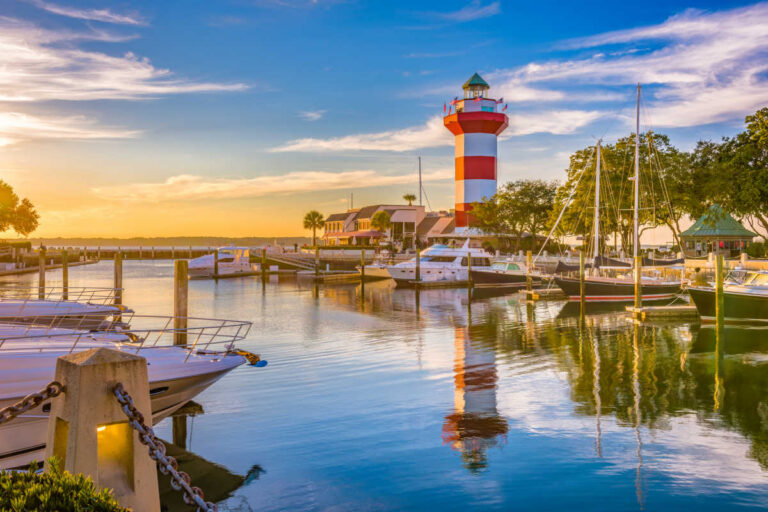
The Southern Atlantic Lowcountry: Defined by tidal marshes, maritime forests, sprawling oak canopies, and exclusive island resorts connected by causeways. Focuses on a slower pace, cycling infrastructure, wildlife viewing, and golf/tennis amenities. Trade-offs include strict development controls, higher price points, and limited high-energy boardwalk entertainment.
-
The Pacific Northwest Rugged Coast: Dramatic cliffs, towering evergreen forests, sea stacks, cold waters, and cooler, misty climates. Best suited for families interested in tide-pooling, hiking, storm-watching, and environmental education. Swimming is generally unsafe or impractical; the appeal is visual and experiential rather than aquatic.
Regional Comparison Matrix
| Region | Primary Water Hazard | Ideal Season | Infrastructure Density | Best Suited For |
| Northeast Maritime | Cold water, rocky shores | July – August | High to Moderate | Culture, history, cooler climates |
| Barrier Islands | Rip currents, storms | June – September | Very High | Traditional multi-week beach stays |
| Gulf Coast | Jellyfish, humidity, storms | April – October | High | Families with toddlers, warm water |
| Lowcountry | Strong tidal currents, bugs | Spring / Fall | Moderate | Nature immersion, cycling, quiet |
| Pacific Northwest | Cold water, sneaker waves | July – September | Low to Moderate | Hiking, tide-pooling, scenery |
| California Corridor | Rip currents, cold water | Year-round (peak summer) | Very High | Diverse activities, surf, road trips |
| Great Lakes | Lake currents, wind | June – August | Moderate | Freshwater swimming, dune exploration |
Detailed Real-World Scenarios
Analyzing hypothetical scenarios illuminates how abstract destination characteristics translate into ground-level family decision-making.
Scenario 1: The Multi-Generational Reunion with Mobility Constraints
-
Context: A family group of ten spanning three generations—including grandparents with limited walking mobility and toddlers requiring strollers—seeks a week-long summer gathering.
-
Constraints: Must minimize long walks across soft sand, require accessible boardwalks or beach-wheelchair availability, and demand proximity to medical facilities and varied dining options.
-
Decision Path: The group evaluates a remote barrier island rental vs. an established resort town with continuous boardwalk infrastructure. They eliminate the remote island due to soft-sand access hurdles and distance from urgent care. They select an established Mid-Atlantic resort town with municipal beach matting, ramped dune crossovers, and elevator-equipped accommodations.
-
Failure Mode & Second-Order Effects: While the infrastructure accommodates mobility needs, the high-density environment introduces severe parking shortages and high noise levels, creating friction for grandparents seeking quiet rest periods. The second-order effect is the need to schedule daily downtime away from the main commercial drag to preserve group harmony.
Scenario 2: The Teenager-Focused Active Adventure Trip
-
Context: Parents traveling with two high-energy teenagers who reject passive beach lounging and require physical engagement.
-
Constraints: Budget-conscious, requiring active physical outlets (surfing, kayaking, mountain biking, trail hiking) without relying on expensive resort packages.
-
Decision Path: The family bypasses calm southern resort enclaves in favor of the Northern California or Oregon coast. Here, the convergence of rugged state parks, river estuaries, and accessible surf breaks provides diverse daily activities.
-
Failure Mode & Second-Order Effects: The cold Pacific waters prohibit casual swimming without thick wetsuits, leading to initial disappointment from family members expecting a tropical beach experience. The operational adjustment requires pivoting the itinerary toward tide-pooling, kayaking in protected sloughs, and coastal hiking, shifting the trip’s core identity from “beach vacation” to “coastal expedition.”
Planning, Cost, and Resource Dynamics
Financial and logistical planning for coastal trips requires accounting for hidden variables that frequently distort initial budget projections. The economics of shore travel extend far beyond base lodging rates and fuel costs.
Direct and Indirect Cost Components
Direct costs include accommodation rentals, transportation (flights, car rentals, tolls), and municipal parking fees. In many high-demand coastal enclaves, indirect costs can equal or exceed direct expenditures. These include seasonal dining markups in tourist corridors, equipment rentals (beach umbrellas, chairs, surfboards, bicycles), mandatory cleaning fees on vacation properties, local tourism taxes, and hazard-mitigation surcharges. Furthermore, coastal destinations often impose hidden friction costs, such as toll bridges required to access barrier islands or mandatory paid parking apps that charge premium hourly rates near public beach access points.
Opportunity Cost and Variability
The timing of a coastal trip introduces significant financial and experiential variance. Booking during peak school holiday weeks (late June through mid-August) exposes families to peak pricing, low inventory, and diminished service quality due to overwhelmed local labor markets. Conversely, traveling during the shoulder seasons (May or September) offers dramatic cost reductions and lower crowd density, but introduces operational risks: local businesses may operate on reduced hours, seasonal water parks or amusement piers may be closed, and weather patterns can be unpredictable.
Range-Based Cost Dynamics (Per Family of Four / Weekly Baseline)
| Expense Category | Budget / Economy Tier | Mid-Range Tier | Premium / Luxury Tier |
| Lodging (Weekly) | $1,000 – $1,800 (Motel/Off-beach condo) | $2,500 – $4,500 (Beach house / Mid resort) | $6,000 – $12,000+ (Oceanfront estate / Luxury resort) |
| Food & Dining | $400 – $700 (Self-catering, casual spots) | $1,000 – $1,800 (Mix of dining out and cooking) | $2,500 – $4,000+ (Fine dining, private catering) |
| Transport & Parking | $200 – $400 (Fuel, basic tolls/parking) | $500 – $900 (Car rental, frequent parking, tolls) | $1,200 – $2,500+ (Flights, premium rentals, valet) |
| Activities & Gear | $100 – $300 (Public beach, own gear) | $400 – $900 (Rentals, excursions, charters) | $1,000 – $2,500+ (Private charters, guided tours) |
Tools, Strategies, and Support Systems
Executing a seamless coastal trip requires leveraging specific technical and logistical tools that mitigate environmental and operational uncertainties.
-
Tide and Marine Forecast Applications: Essential for planning beach outings around high and low tides, avoiding dangerous undertows, and identifying optimal windows for tide-pooling or shell-collecting.
-
Coastal Erosion and Beach Access Portals: Municipal and state park websites that provide real-time updates on beach nourishment projects, parking capacity tracking, and storm-related closures.
-
Rip Current and Surf Hazard Advisories: National Weather Service marine dashboards that offer daily risk assessments for specific beach zones, enabling families to gauge swimming safety before arriving at the shore.
-
Local Emergency and Medical Mapping: Pre-locating urgent care clinics, pediatric hospitals, and pharmacy networks relative to the lodging location, particularly when visiting remote barrier islands or isolated headlands.
-
Equipment Rental Syndicates: Local services that pre-deliver beach gear (tents, chairs, coolers, paddleboards) directly to rental properties, eliminating the logistical burden of transporting bulky items across long distances.
-
Off-Peak Transit and Shuttle Trackers: Utilizing municipal tram and trolley applications in high-density resort towns to bypass parking congestion and reduce vehicle dependency during peak daytime hours.
Risk Landscape and Failure Modes
Coastal environments possess inherent physical and operational hazards that can disrupt family travel if not systematically anticipated and managed.
Environmental and Natural Hazards
The primary physical risk along any marine coastline is the rip current—a powerful, channeled flow of water moving away from shore that can rapidly sweep swimmers into deep water. Other recurring natural hazards include sneaker waves on rocky coasts, severe sunburn and heat exhaustion in sub-tropical zones, marine life encounters (jellyfish, stingrays, sharks), and sudden squalls or tropical storm landfalls. Failing to establish baseline safety protocols regarding water entry and weather monitoring introduces unacceptable vulnerability.
Infrastructural and Logistical Failure Modes
Beyond nature, human systems frequently fail under peak seasonal stress. Common logistical failures include single-access bridge gridlock during evacuation orders or weekend check-in peaks, sudden cancellations of vacation rental properties due to maintenance or ownership disputes, and severe labor shortages in local service sectors that leave restaurants and medical facilities understaffed. Families relying entirely on rigid itineraries without contingency buffers often experience high stress when these systemic friction points manifest.
Governance, Maintenance, and Long-Term Adaptation
The long-term viability of coastal destinations depends heavily on local municipal governance, environmental management, and infrastructure maintenance. Travelers committed to sustainable exploration benefit from understanding how these systems operate.
Municipalities manage beach nourishment (pumping sand back onto eroded shores), dune restoration projects, stormwater runoff mitigation, and public access maintenance through local tourism taxes and federal grants. As climate pressures increase, forward-thinking coastal communities are investing in living shorelines, elevated roadways, and strict zoning laws that limit hard armoring in favor of natural marsh buffers.
For the traveling family, supporting resilient governance involves adhering strictly to local conservation mandates—such as staying off fragile dune grass, respecting sea turtle nesting closures during summer nights, properly disposing of waste, and choosing accommodations that support local environmental initiatives rather than exacerbating resource depletion.
Measurement, Tracking, and Evaluation
Evaluating the success of a coastal family trip requires looking beyond subjective post-vacation impressions and examining both leading and lagging indicators of trip quality.
-
Leading Indicators (Pre-Trip & In-Trip): Monitoring weather stability, tracking daily group energy levels, verifying logistics before departure, and adjusting itineraries proactively when fatigue or adverse weather threatens.
-
Lagging Indicators (Post-Trip Assessment): Evaluating whether the physical environment matched the developmental needs of all family members, assessing whether the financial expenditure aligned with the perceived experiential value, and noting logistical friction points to inform future travel choices.
-
Qualitative vs. Quantitative Signals: Quantitative metrics include tracking unexpected out-of-pocket expenses and transit delays. Qualitative signals encompass family member feedback regarding stress levels, memorable shared experiences, and physical restoration.
Common Misconceptions and Oversimplifications
-
Myth: All coastal destinations offer safe, sandy swimming beaches suitable for all ages.
-
Correction: Many iconic coastlines feature rocky drop-offs, freezing water temperatures, or dangerous currents where swimming is strictly prohibited or dangerous.
-
-
Myth: Booking a vacation rental guarantees a quiet, neighborhood residential experience.
-
Correction: In many high-density coastal zones, residential properties are densely clustered short-term rentals subject to high turnover, street parking congestion, and weekend noise.
-
-
Myth: Off-season travel provides the same experience at a lower price point.
-
Correction: Shoulder and off-seasons often involve closures of essential family infrastructure, limited dining options, and inclement weather that curtails outdoor activity.
-
-
Myth: Southern coastal destinations maintain warm weather year-round.
-
Correction: Regions like the northern Gulf Coast and the South Atlantic experience cool, windy winter months where outdoor swimming is impossible without heated pools.
-
-
Myth: Public beach access is universally guaranteed across all American shores.
-
Correction: Access laws vary drastically by state and municipality; many high-value stretches are privately owned or restricted by exclusive association rules.
-
-
Myth: Coastal driving routes like Pacific Coast Highway are straightforward scenic day trips.
-
Correction: Major coastal arteries are frequently impacted by seasonal landslides, multi-hour traffic bottlenecks, and limited cellular connectivity in remote segments.
-
Ethical, Practical, and Environmental Considerations
Engaging with American coastlines carries an implicit responsibility to respect fragile coastal ecosystems. Barrier islands, salt marshes, and dune networks serve as critical buffers against storm surges and provide essential habitats for migratory birds and marine life. Human encroachment, littering, artificial lighting that disorients nesting sea turtles, and trampling of fragile dune vegetation accelerate erosion and degrade natural resilience. Approaching these landscapes with an awareness of their ecological fragility ensures that these environments remain preserved for future generations of travelers.
Conclusion
Selecting and experiencing coastal family destinations in the USA requires moving past surface-level marketing imagery and engaging with the complex realities of geography, climate, economics, and logistics. By applying structured mental models such as the Exposure-Access Matrix and the Seasonal Elasticity Index, families can align their distinct developmental needs, budget parameters, and risk tolerances with the appropriate littoral environment. Whether navigating the rugged maritime history of the Northeast, the gentle shallows of the Gulf Coast, or the dramatic headlands of the Pacific, successful travel along American shores relies on preparation, operational flexibility, and a profound respect for the dynamic natural systems that define the edge of the continent.